
You are currently browsing the tag archive for the ‘podcast’ tag.
In 2026 the Audio vs Video Podcasts debate gathered steam. In my 14 Feb keynote for MeCCSA (an academic media studies network in the UK), Viva The Narrative Podcast: The Case Against Video, I honed my arguments. You can read my essay here in RadioDoc Review or watch it (ironically on video!) here. We had a highly engaged audience online from various time zones and the discussion continued on platforms such as Linked-In and on the Podnews podcast, where it was lovely to reconnect with host Sam Sethi after several years. The last time was during Covid when I was part of a fab mini-podcast festival he co-organised in London with Minter Dial – his guest after me was the redoubtable Kara Swisher.
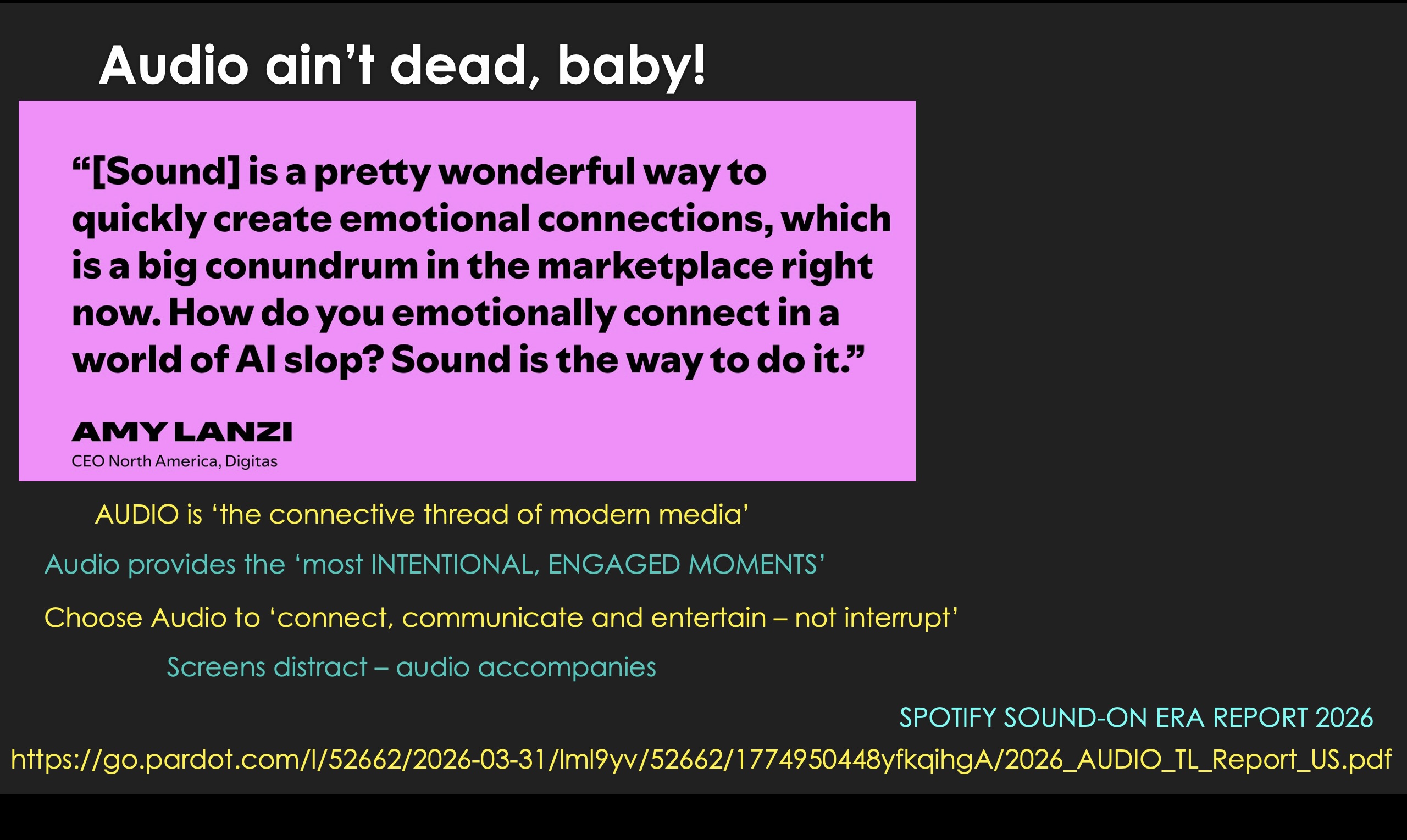
In March, Spotify dropped the Sound-On Era report, which to my surprise and delight, came down firmly pro-Audio! This came from pragmatism not passion: as the report noted, people choose Audio to ‘connect, communicate and entertain – not interrupt’. Audio is prized as ‘the connective thread of modern media’, which provides the ‘most INTENTIONAL, ENGAGED MOMENTS’. The positivity flowed: ‘Screens distract – audio accompanies’. And most ringing of all – in a world of mistrust and AI slop, SOUND is the pre-eminent way to emotionally connect.
But in April, podcasting hit a new – and dismal – milestone. AI-generated podcasts outnumbered human-made ones in the Podcast Index for the first time. A lot of this content is laughably bad, created merely to make money from the programmatic ads it can attract. Creators can monetise the pre-roll ads that precede the show, so even if a real listener turns off in the first two minutes, the ads have been clocked. A company called Inception AI is now churning out 3,000 ‘shows’ a week to harness this market, at a reported cost of a mere dollar an episode. Their slate now exceeds 10,000 titles, helmed by AI talent like ‘Nigel’, a tweedy Cotswold dweller who loves gardening, and ‘Claire’, your culinary ‘bestie’ who will share kitchen hacks. The CEO of Inception AI, Jeanine Wright, is unapologetic about their product – in fact if you criticize it, you’re likely to be called a ‘lazy Luddite’. What’s mystifying – and sad – is that she and others in the company come from an audio-centric background (like Wondery) and once had real audio storytelling chops.
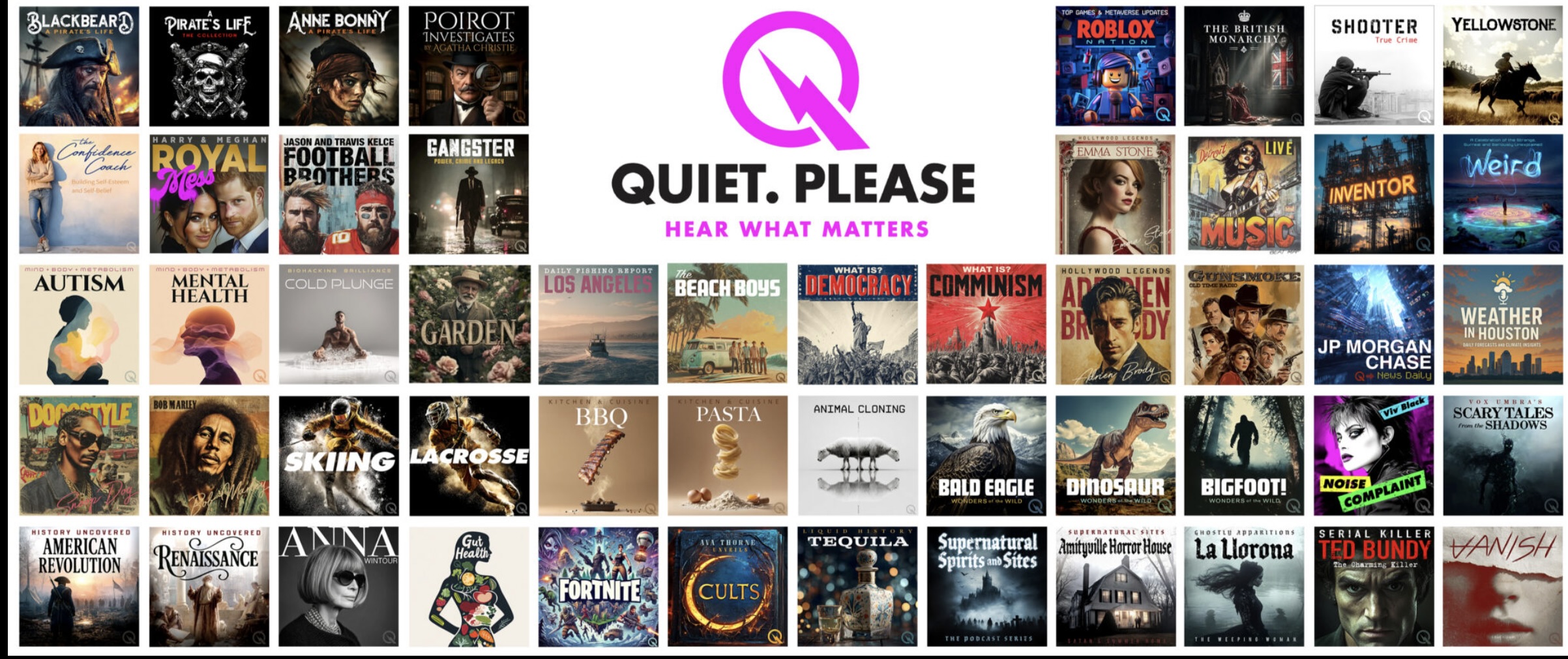
AI-generated podcasts now outnumber human-made
But Inception AI and their marauding ilk will likely be reined in soon. The EU is bringing in legislation in August that requires creators to disclose AI-generated content because of public interest considerations. E.g. some AI podcasts dispense ‘health’ advice, with fake hosts even using the moniker ‘Doctor’ – a dangerous development, and one that will soon attract huge fines. To encourage transparency, Alberto Betella, the genial co-creator of RSS.com platform, has created a simple How To Disclose AI checkbox. His post discusses the pros and cons of using AI in podcasts – e.g AI is terrific for generating translations and thereby increasing accessibility and diversity. Alberto is well worth reading, not least because in a former life, he did a PhD in ‘Emotion AI’, or the affective aspects of AI.
A new and intriguing AI-generated podcast is The Epstein Files. If ever there was a case for using AI, mining the data in these 3.5 million files is surely it. And ‘data entrepreneur’ Adam Levy from the Neural Broadband Network in the US has stepped up. This podcast converts the voluminous data in these controversial files into (over 300) thematically-based episodes with two AI-generated hosts. The first episode is surprisingly listenable. It outlines Epstein’s family background and charts how he started building his influential networks. But by the end of the third, I was feeling claustrophobic. The hosts sound real enough at first, in that their ‘dialogue’ is normal. But there is zero punctuation – not even a breath, let alone music bridges to allow us to absorb the dense content, or a bit of spontaneous interaction.
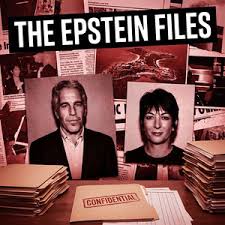
More worryingly, while the show notes are upfront about the show being AI-generated, they also boast that the podcast is investigative documentary that displays ‘journalistic rigor’. The Epstein Files podcast is certainly a feat of data mining, as its creator explains.
But it is absolutely not journalism. There is no evaluation of what one document means over another, and some highly problematic sources are cited as neutrally as if they were credible documents. E.g. Episode 2 references one entitled ‘Paedophilia, Cannibalism and the Clinton Government Crime Ring’. As UK academic Kathryn McDonald observes of the podcast, ‘Deciding what matters, what is credible, and what should be left out remains a human task’. Her perceptive article in The Conversation also notes that ‘The Epstein Files does not signal the end of podcasting or investigative journalism. But it marks a moment in which the cultural meaning of the voice is being tested.’ With over two million downloads since its launch in February, The Epstein Files is a troubling development.
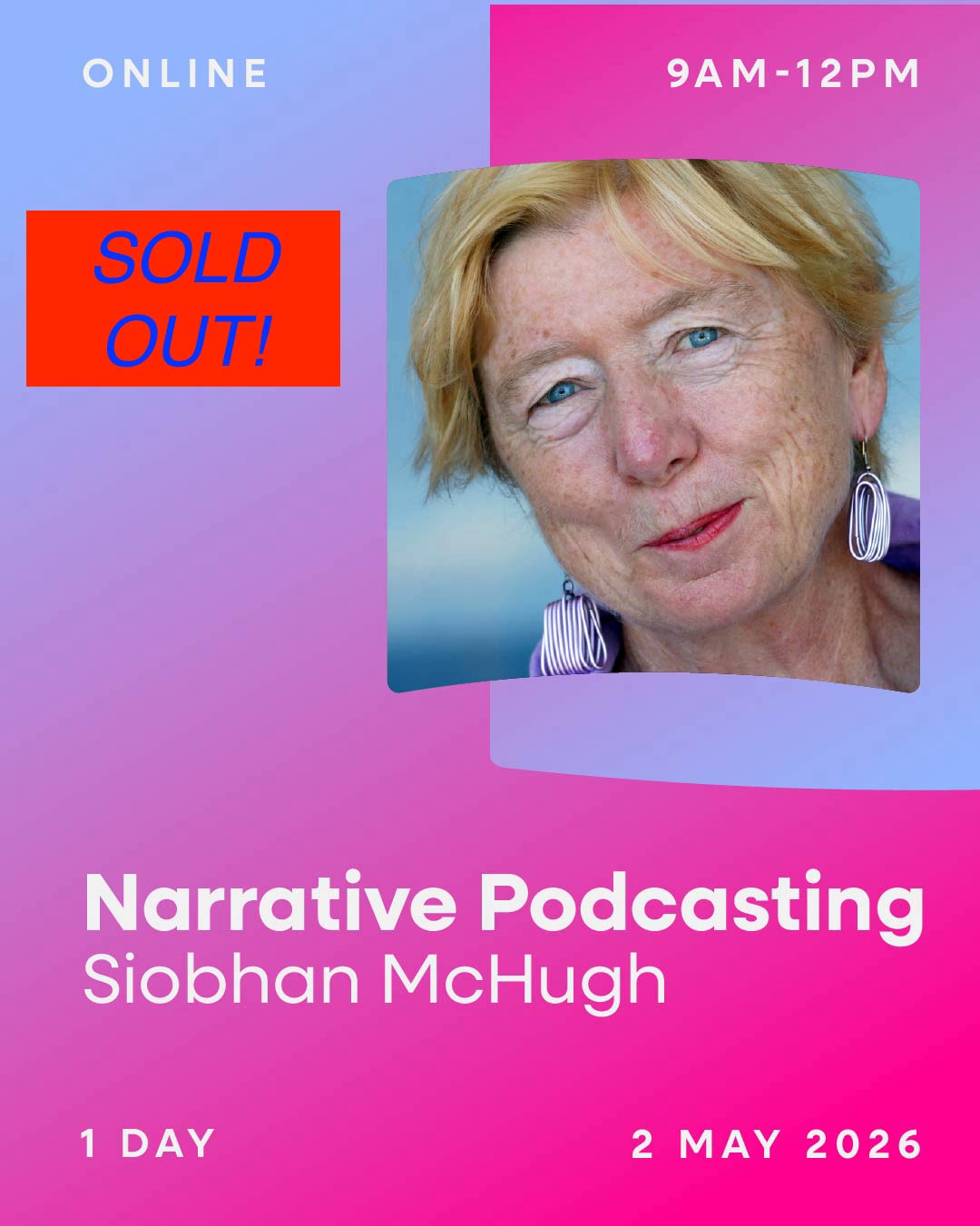
All the more reason to applaud the AUTHENTIC power of voice and sound, as I was happy to do in several settings. I found myself addressing would-be narrative podcasters from Ireland, UK, the US, Australia and France, as I delivered my online masterclass, The Invisible Art of Audio Storytelling’ for the Irish Writers Centre in Dublin. Pleasingly, it was sold out. Even more gratifying, this group including psychologists, academics, health professionals, historians, artists, journalists and writers and an activist/politician, found themselves newly inspired by audio. One participant’s feedback: ‘incredibly insightful and packed with valuable takeaways!’ Another: ‘a wonderfully articulate, erudite presentation – mind-blowing!’
I also attended the judging round of the newly launched Australian Audio Awards, held at the Australian Film Radio and Television School. These awards replace and combine previous podcasting and commercial/public radio awards. My category, True Crime, was hotly contested. While it was somewhat overwhelming to listen to a relentless diet of ghastly murder investigations in the weeks prior, there were some uplifting aspects. Two finalists in the Independent category impressed me. Prisoner Chronicles tells the stories of prison officers – a rare and surprisingly revealing perspective. Another, One Minute Remaining,interviews prisoners remanded on Death Row in the US. The title comes from the recorded message that intervenes, Serial-style, as the allotted conversation time per prisoner runs out. The Australian host, Jack Laurence, is not interested in whether inmates are innocent or guilty – he merely wants to hear their story. This humanising approach delivers some remarkable and moving moments.
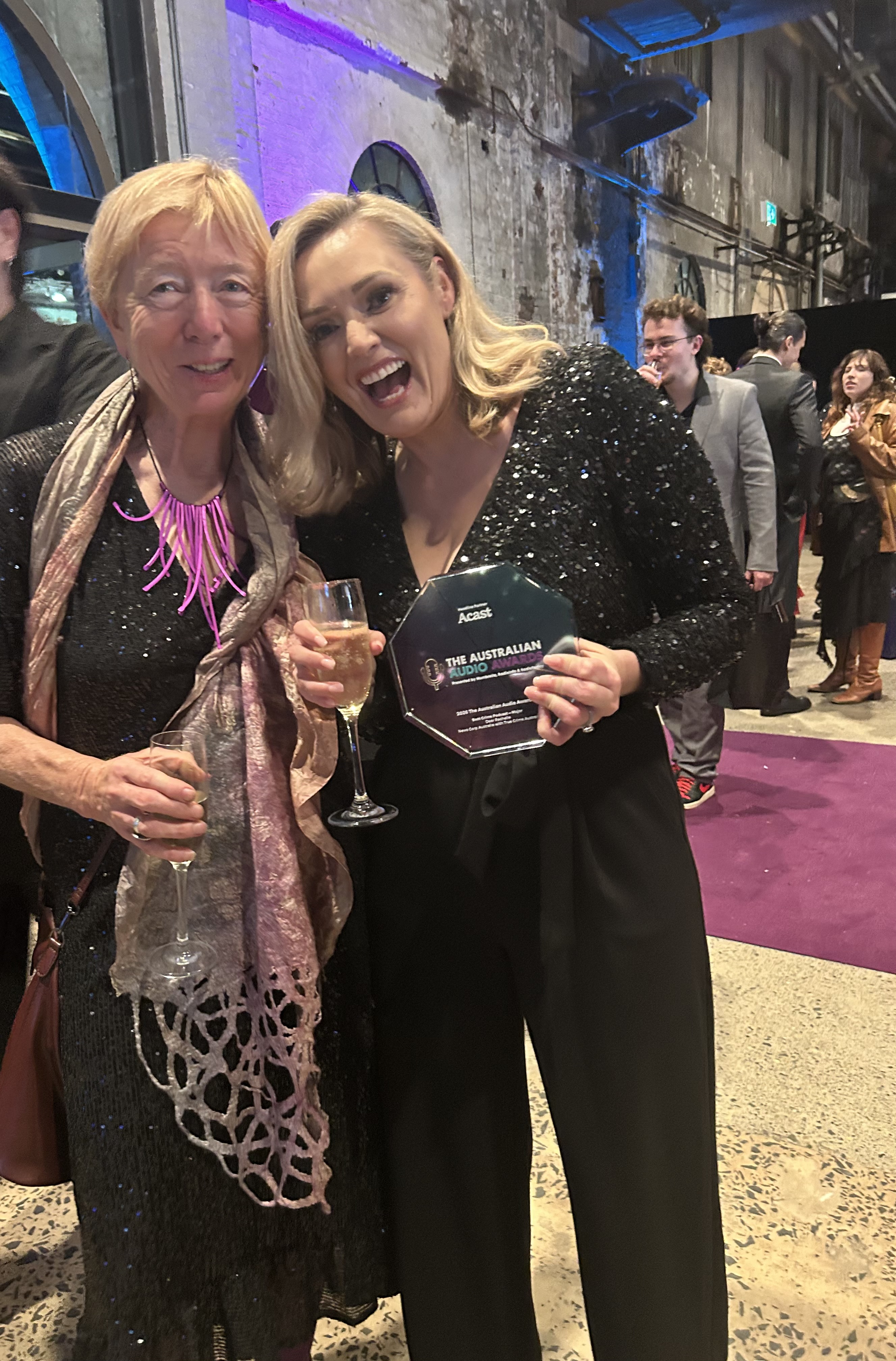
UPDATE: The Australian Audio Awards ceremony was a fabulously glitzy affair. I presented the award for Best True Crime Podcast (Major) to Dear Rachelle, from The Australian. Pic shows me afterwards with host Ashlea Hansen.
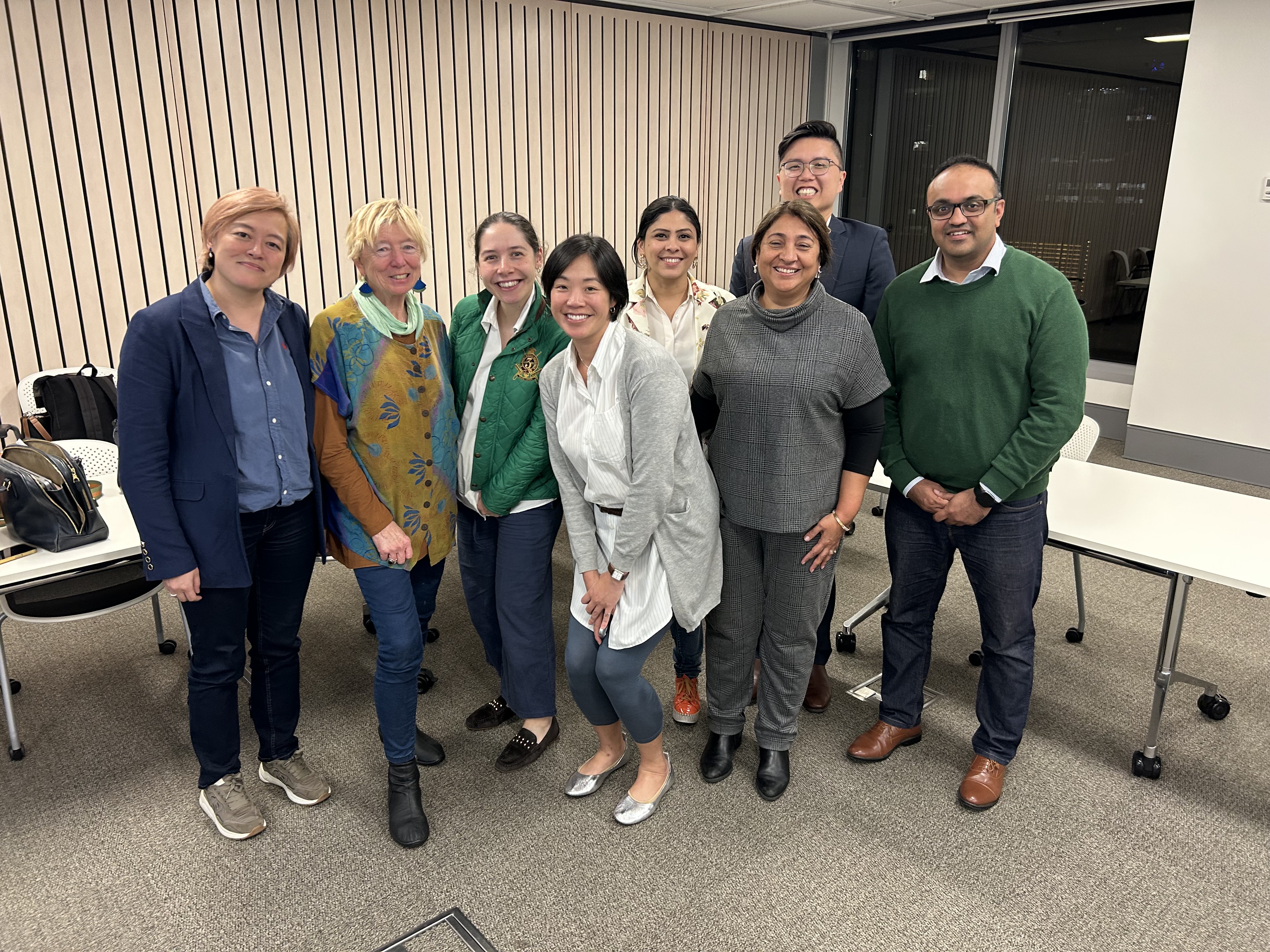
Teaching participants at the Asia Society Sydney the Power of Podcasting!
To round things out geographically, the Asia Society (Sydney) invited me to tell some two dozen go-getters in their Asian Australian Voices program how to harness the power of podcasting and the audio medium to communicate their passions. Entrepreneurs in business, finance, sustainability and the environment, as well as of course, AI, this dynamic bunch from China, India, Thailand, Vietnam, Indonesia, Taiwan and the Philippines took to audio with alacrity, as their enthusiastic feedback on Linked-in showed. Here’s a post from Wei Li, a Chinese academic based in Sydney.
And next I head to China, for a cultural immersion! I’m there on holiday, but given that our academic research project on the economics and sociology of Chinese podcasting communities is getting underway at the University of Hong Kong, I’ll be keeping my ears peeled…
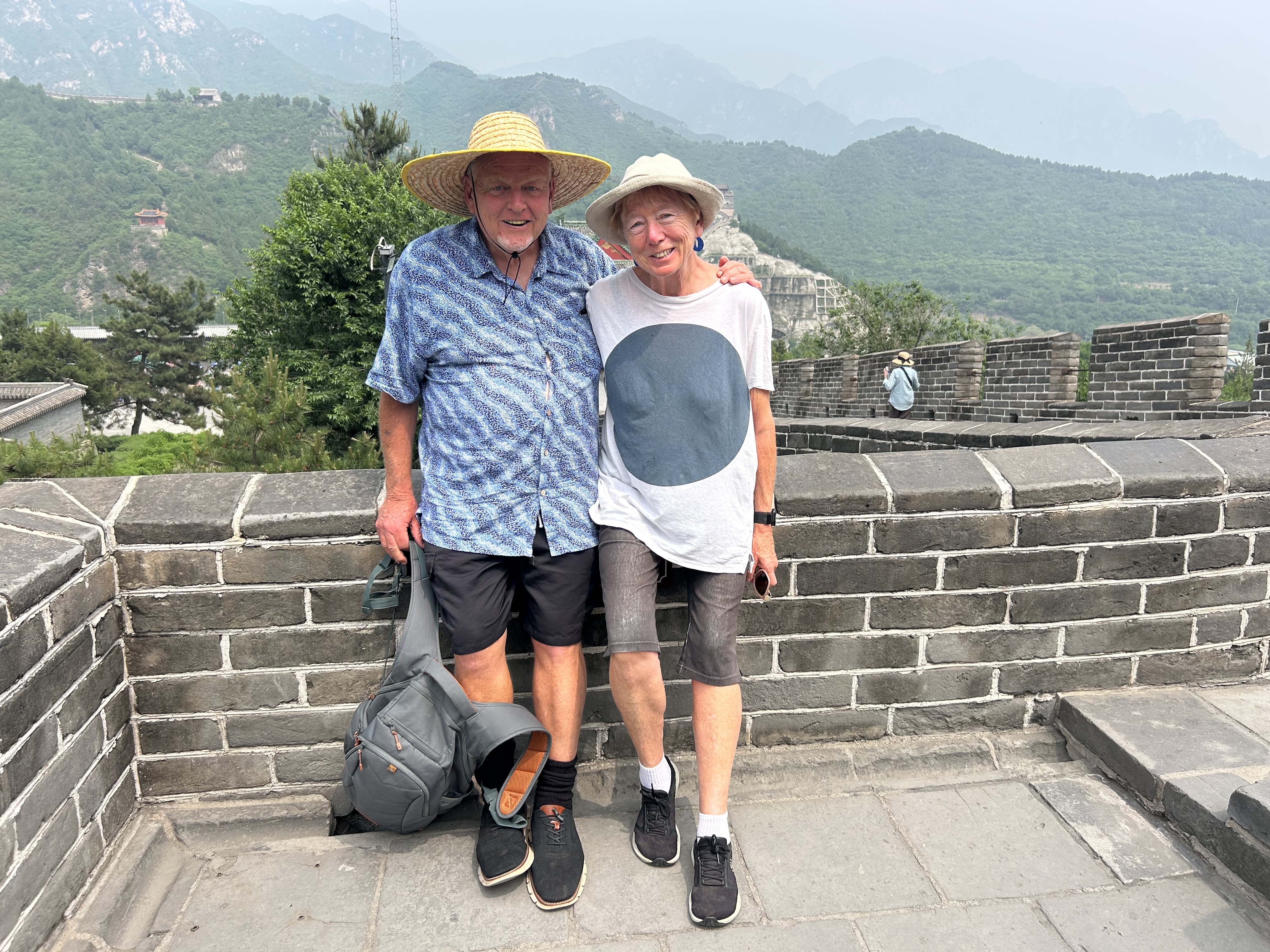
At The Great Wall, May 2026

