This year I was kept busy talking about podcasting – where it’s come from and where it’s headed. A highlight was getting to do a Masterclass in Narrative Podcasts in Dublin at the Irish Writers Centre, part of a Grand Tour of Europe, before heading back to SXSW Sydney and the True Story Festival in Coledale. The year ended with my traditional selection of Podcast Gems for The Conversation, ahead of an unusually cold Australian Christmas…
A standout this year was being interviewed at length by Canadian audio producer and thoughtful narrative podcast critic, Samantha Hodder, from Bingeworthy. Samantha had me reflect on new ways of audio storytelling and my role as an academic, producer, critic and advocate. She’s noticed that the worlds of academia and quality podcasts are increasingly intersecting – in a productive way – and traced that history back to early actions by a bunch of academics and audio enthusiasts, including me. Hard to believe RadioDoc Review is eleven years old now (check out the latest issue for in-depth reviews and essays on audio)! I also enjoyed talking about The Invisible Art of Podcasting with energetic US podcaster Florence Lumsden, host of The Format.
SXSW SYDNEY: PODCASTING and DEMOCRACY
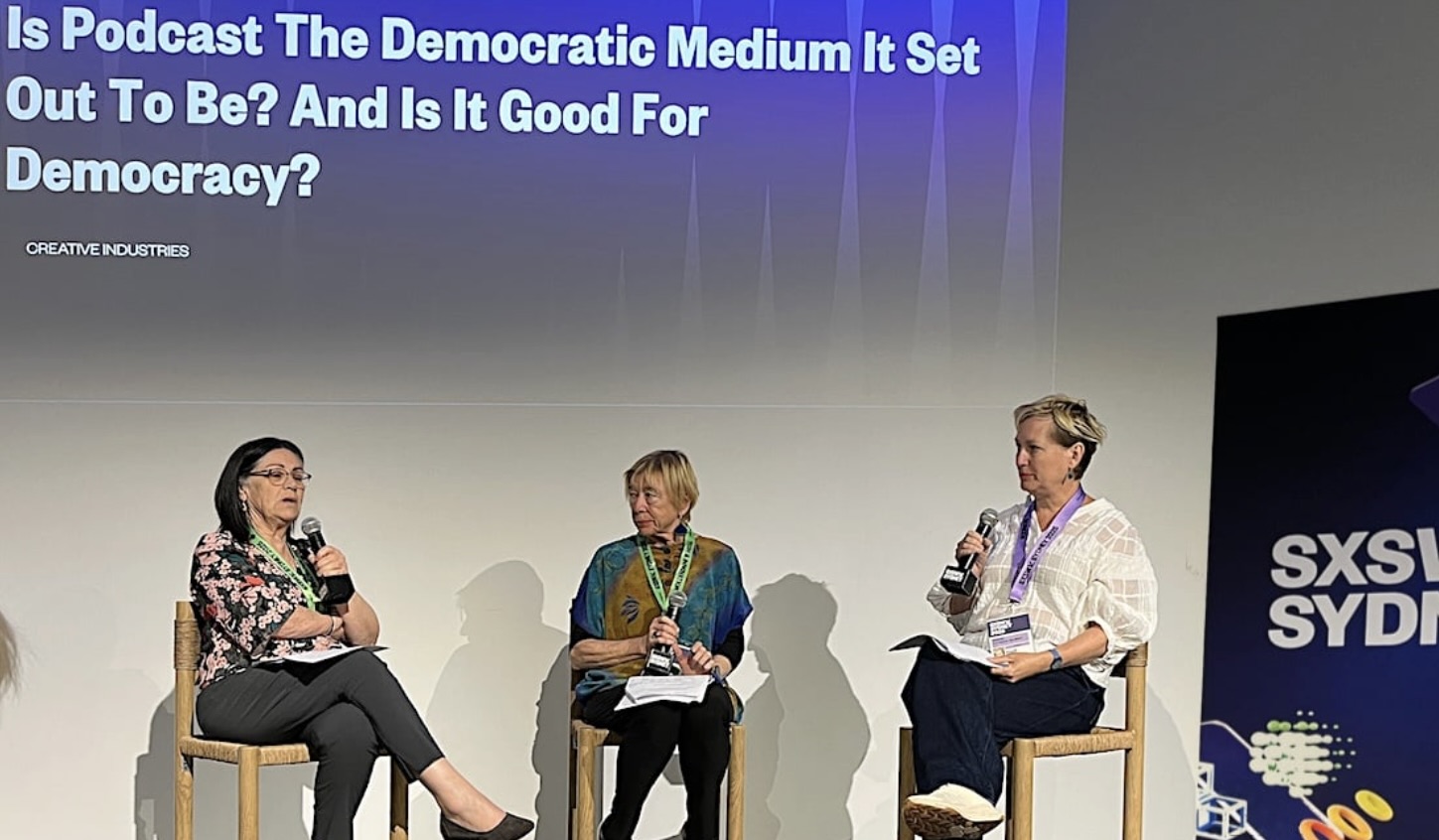
At SXSW Sydney in October, I discussed the pressing topic of how democratic podcasting remains as a medium and how it is impacting democracy itself – huge themes, ably debated by our panel: redoubtable radio broadcaster and Professor of Journalism at UTS, Monica Attard, and her versatile colleague, Dr Sarah Gilbert, who oversees the excellent content at Impact Studios there (Check out Fully Lit, a new take on Australian writing!).
Monica Attard of UTS (L), me and Sarah Gilbert, EP Impact Studios, UTS, at SXSW Sydney 2025
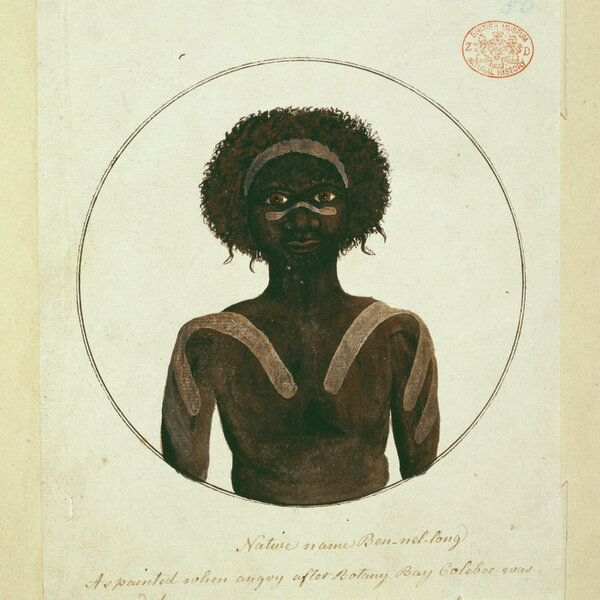
I was story consultant on one of Impact Studio’s provocative and informative podcasts, Unsettling Portraits, released in March. It explores the history of portraiture and colonialism, with academic hosts and historians of empire Kate Fullagar and Mike McDonnell reinterpreting this vexed issue with insights from Indigenous artists and historians in Australia, the Pacific and North America.
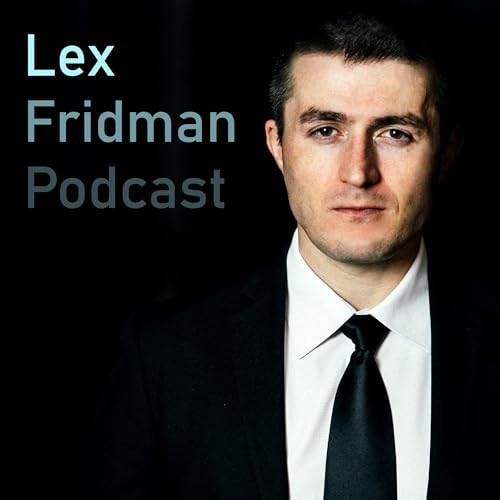
On a SXSW-related theme, I was pleased to contribute to a probing profile of US podcaster Lex Fridman, who has over 6 million listeners to his lengthy podcast interviews with international figures from politicians to tech execs. Writing in Columbia Journalism Review, author Maddy Crowell asks if this highly influential brand of podcast can be considered journalism. Definitely not, I told her:
“This is not journalism—it is glorified PR. Fridman facilitates his subjects to put forward aspects of themselves they would like to highlight. But that doesn’t necessarily mean we can’t gain some insights from his podcast.“
TRUE STORY WRITERS FESTIVAL, COLEDALE
In November, the fabulous True Story Festival at tiny Coledale south of Sydney hosted a wonderful range of writers, from historian Clare Wright on the remarkable Yolngu Bark Petitions of 1963 to the latest conspiracy theories, mulled over by a panel chaired by Fearless Flame Thrower Jan Fran, as she was introduced.
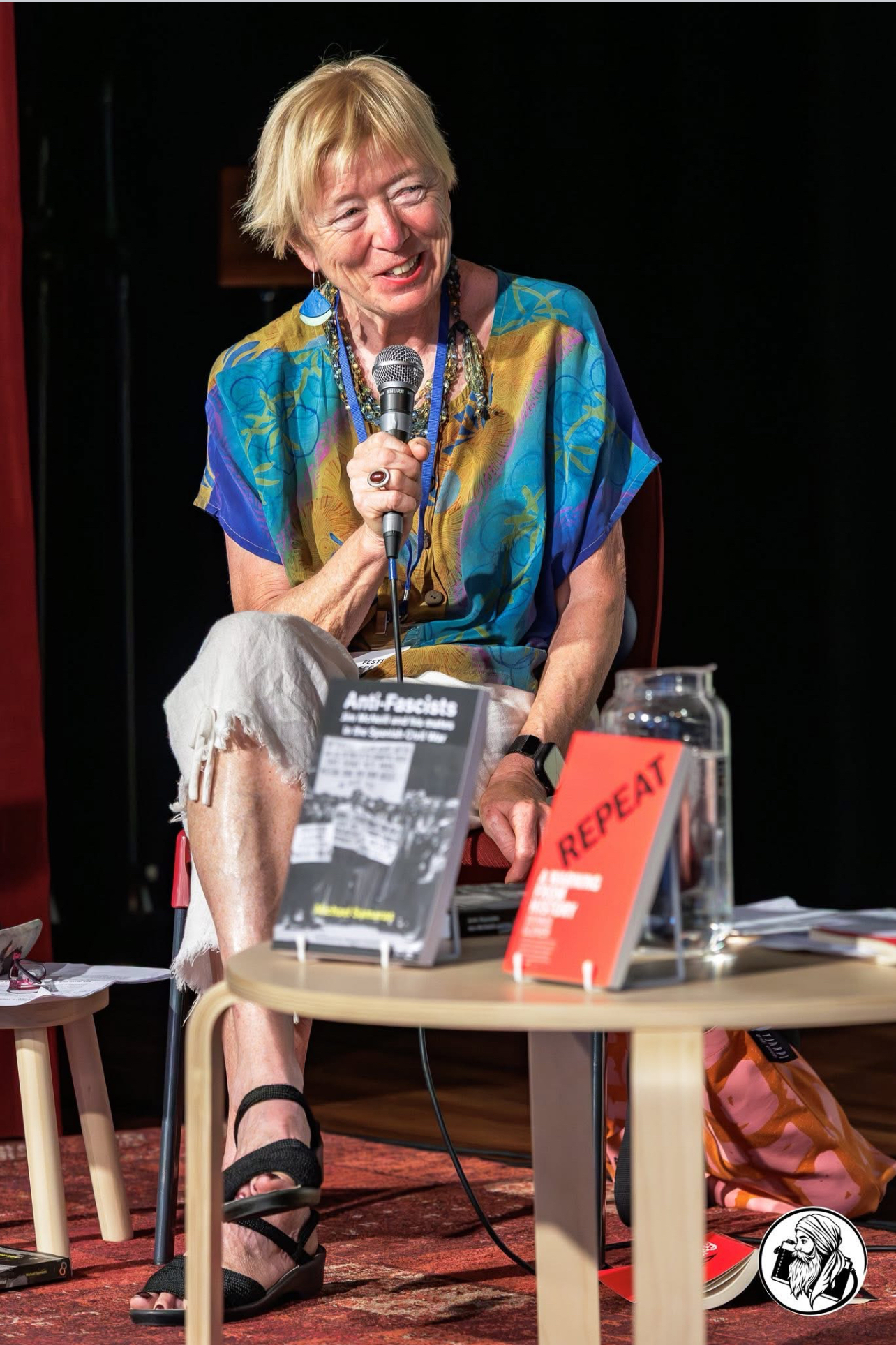
I moderated another hard-hitting panel, on The F-Word: Fascism. Author Michael Samaras told the inspiring story of local ironworker Jim McNeill, a Communist who joined the International Brigade of the Spanish Civil War to help fight fascism. Remarkably, after Stalin sided with the Nazis at the start of WW2, McNeill defied the Australian Communist Party’s whitewash and signed up yet again – with the Australian Army, against Stalin, and Fascism. Dennis Glover’s book Repeat! traced the shockingly similar rise of authoritarianism in 1930s Europe and now, via the actions of Trump, Putin and other autocrats. Despite the dark themes, we learned a lot and had a few laughs as well.
Moderating panel at True Story Festival. Photo: Matt Houston.
DUBLIN
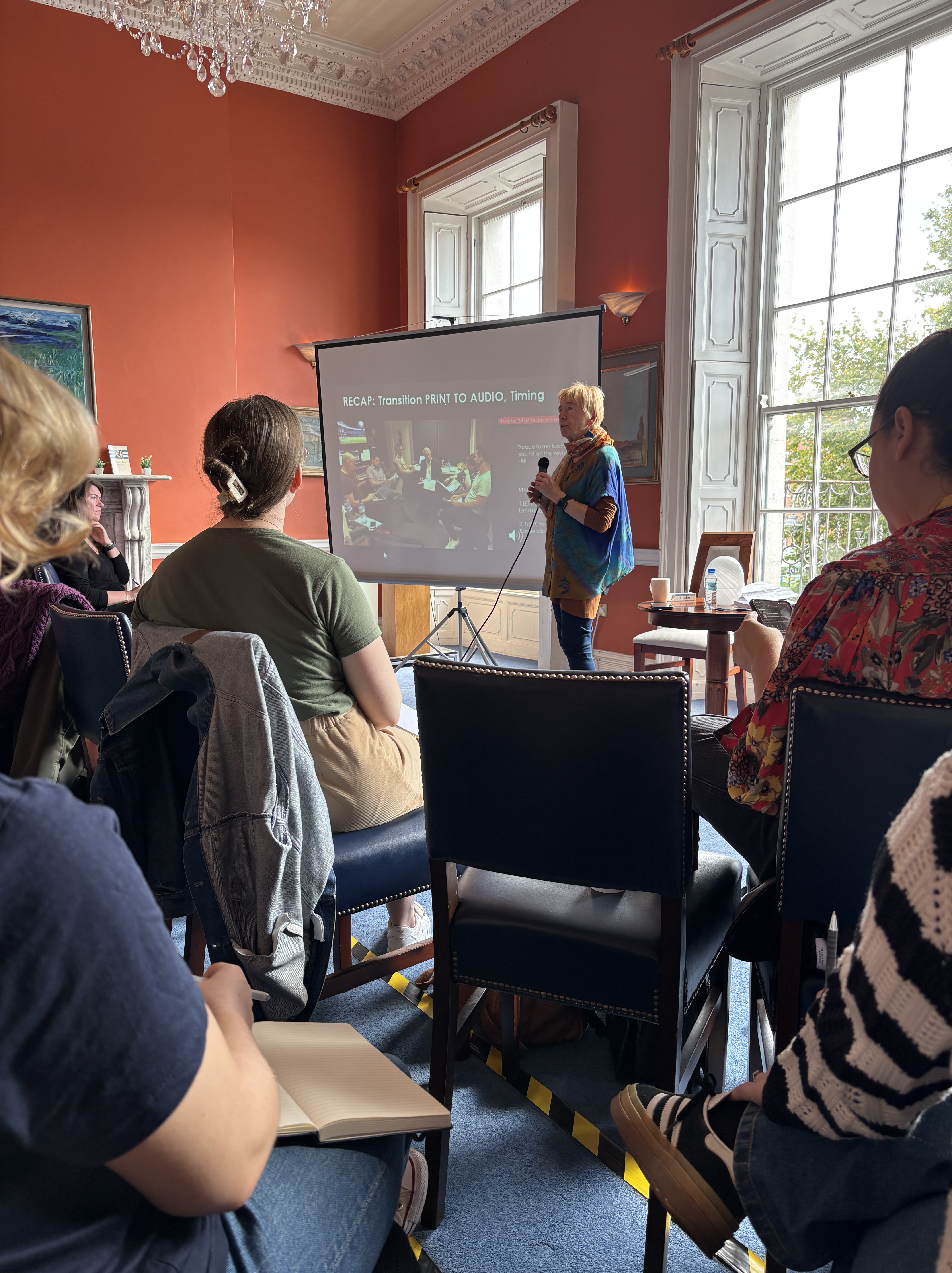
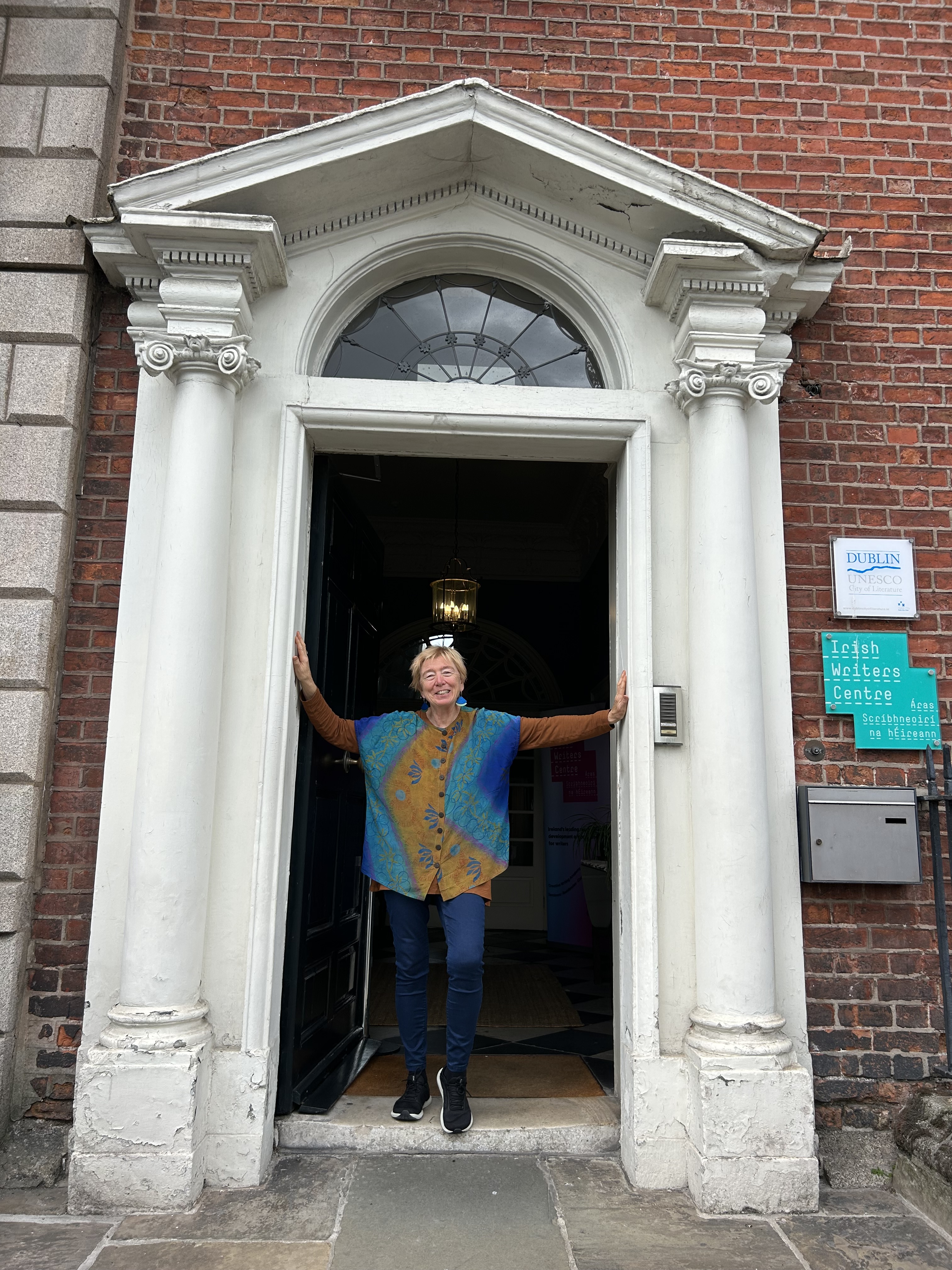
Earlier, I had the lovely experience of running a narrative podcast masterclass at the Irish Writers Centre in Parnell Square, Dublin – literally a stone’s throw from where I was born, in the Rotunda Hospital! It was wonderful to touch base with Irish storytellers at last. I’ve run these workshops all over the world, hearing about projects in Vietnam, China, Europe and America, but never before in my home town.
I was born a stone’s throw from the Irish Writers Centre, Parnell Square, Dublin.
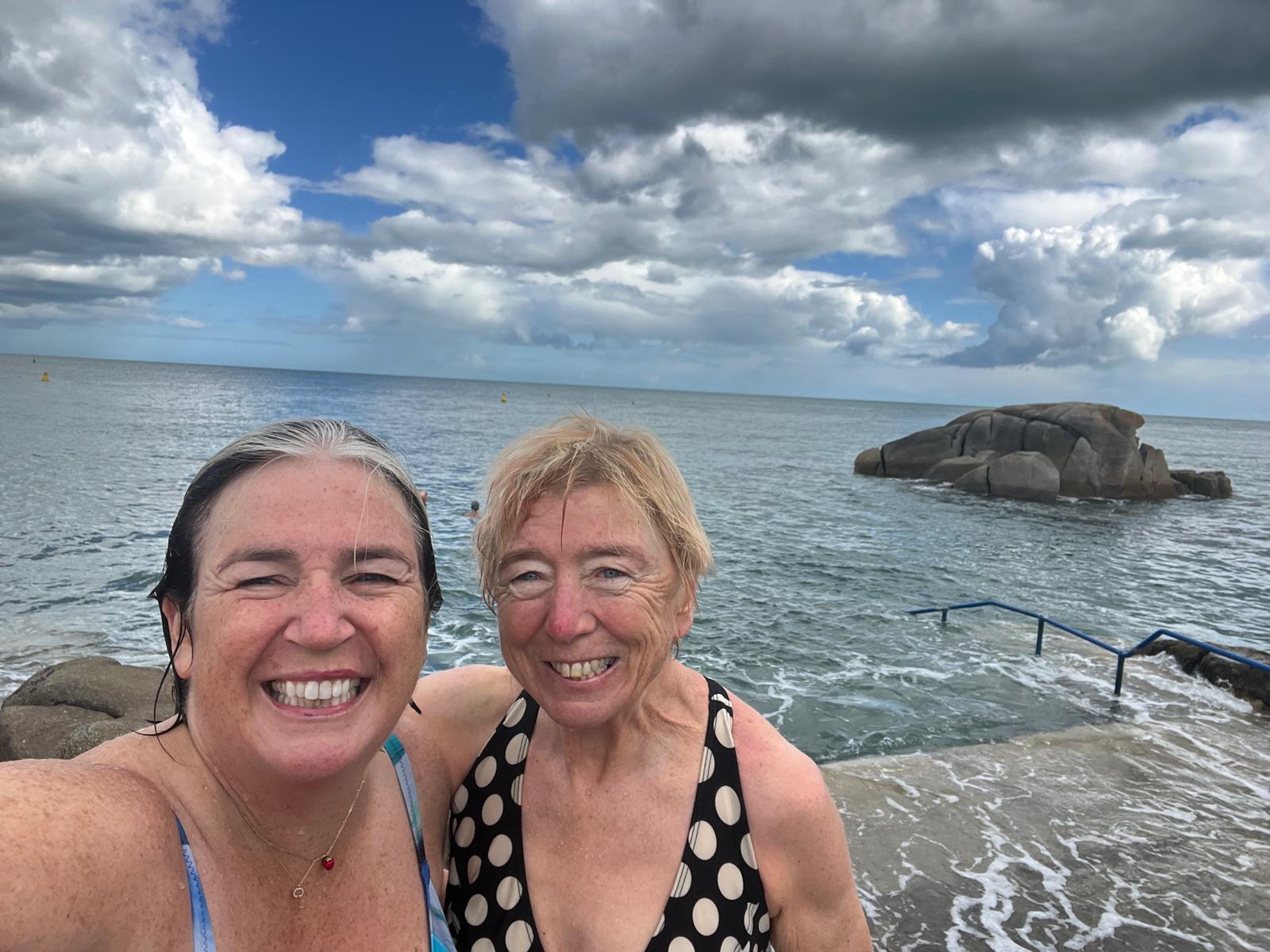
On that same trip to Dublin, I fitted in a seminar at Dublin City University on Podcasts and Life Writing, and a bracing dip in the famous Forty Foot at Sandycove, where Ulysses opens. My swimming companion was none other than the wonderful Dearbhla Walsh, old mate from The Irish Empire doco days, and now the celebrated director of Bad Sisters (Apple TV) – which sees the siblings have ritual dips at the 40 Foot, just as we did!
With Dearbhla Walsh at the Forty-Foot, Sandycove, Dublin, Sept 2025. Water a handy 16!
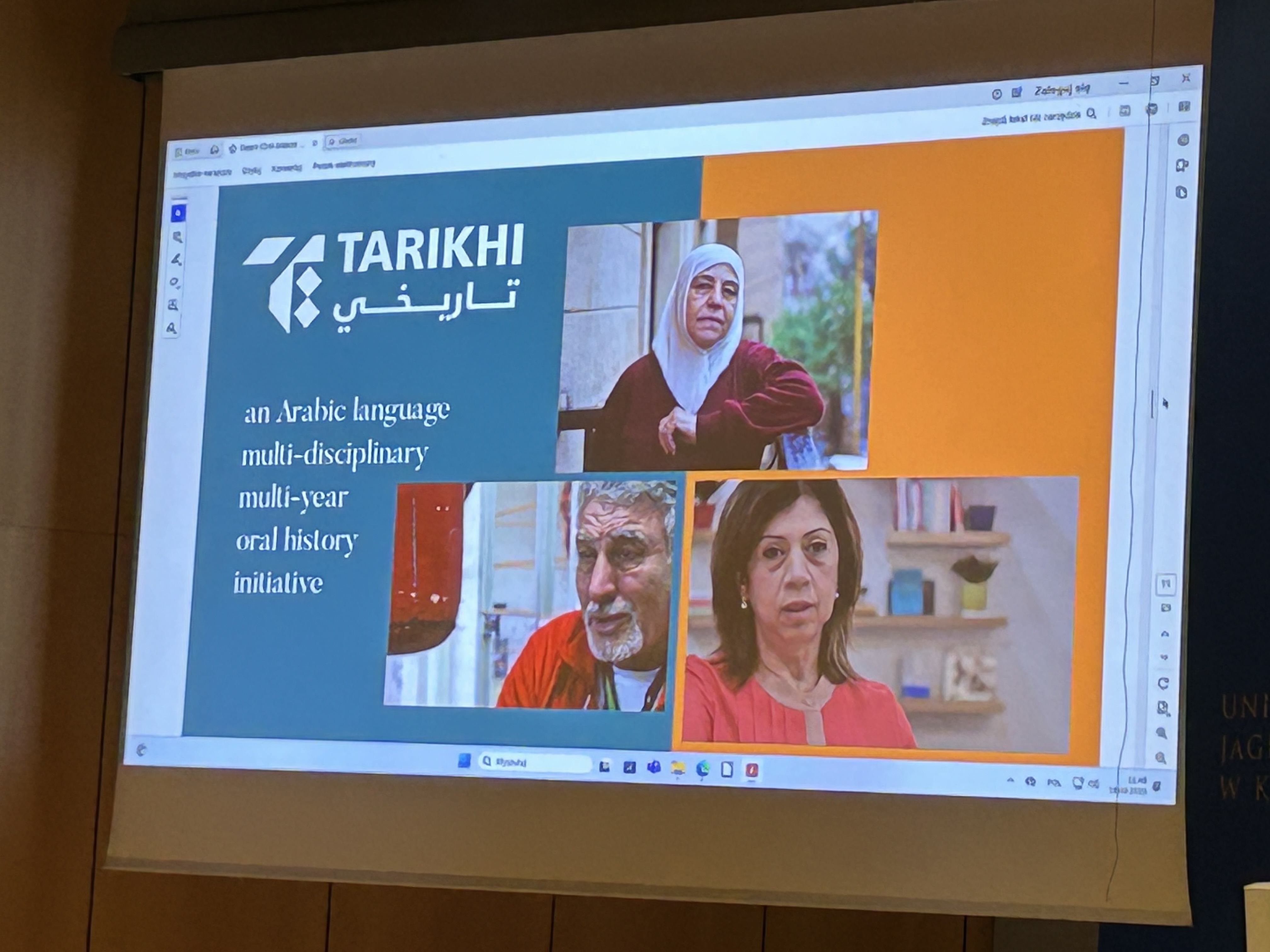
On then to Krakow, a beautiful, friendly city with a Paris vibe. Gave a paper at the International Oral History Conference on navigating ethics, trust and trauma in our hit podcast,The Greatest Menace. It was well attended and sparked a lively discussion. Overall, though, I was disappointed with the lack of AUDIO (or even video) in the presentations – the ORALITY of oral history is ironically often overlooked. It was good though to meet Mary Marshall Clark and Amy Starecheski from the famed Columbia University Oral History Program, along with the vibrant folk running the London-based pan-Arabic storytelling project (including a well crafted narrative podcast), Tarikhi.
POLAND
After that, sightseeing in Poland, a place steeped in history and culture, with fabulous food, beautiful landscapes and cities pulsing with energy and life (apart from Torun, destroyed by the tourist hordes attracted by its UNESCO listing, the locals seeming listless and constipated).
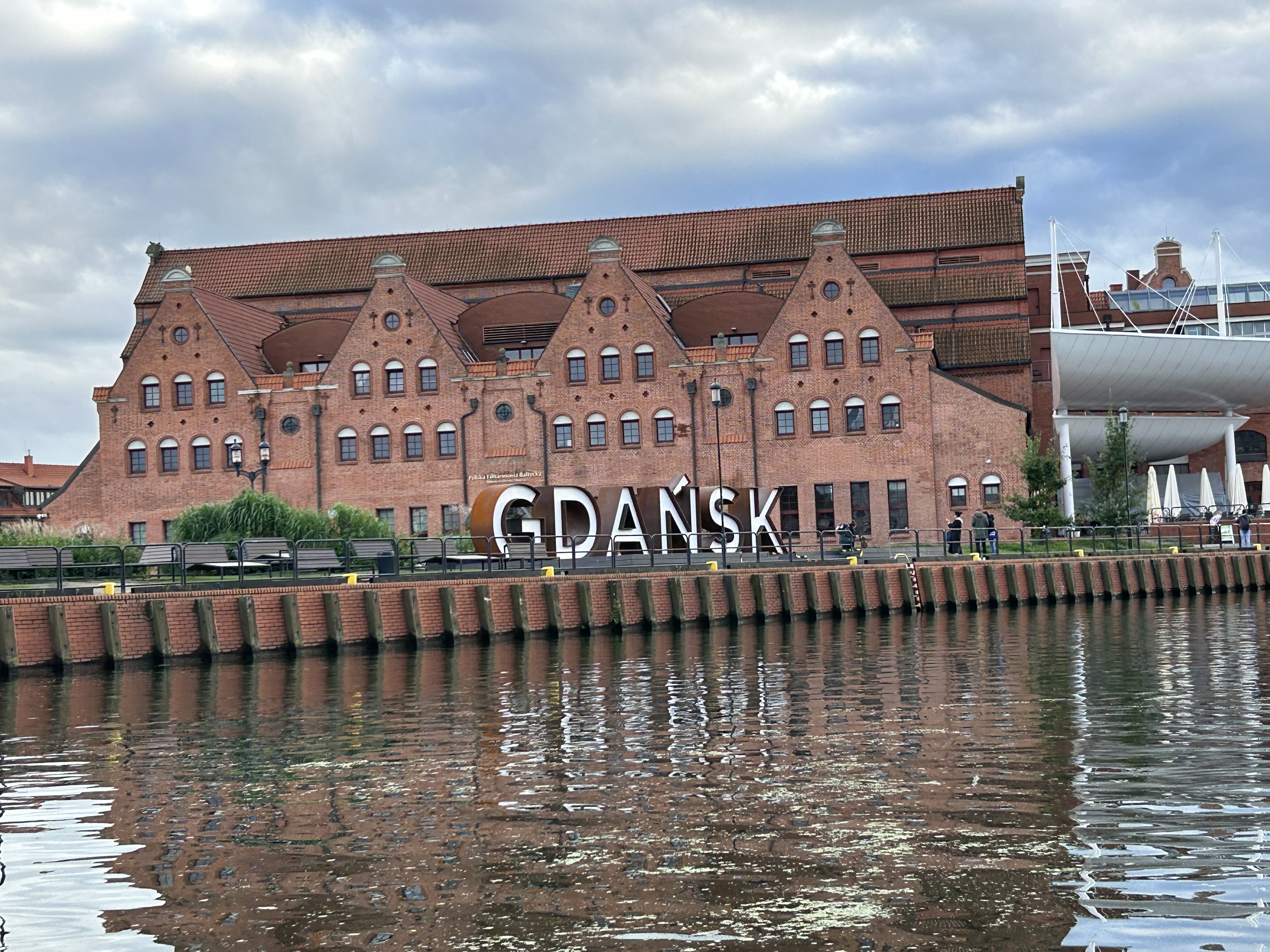
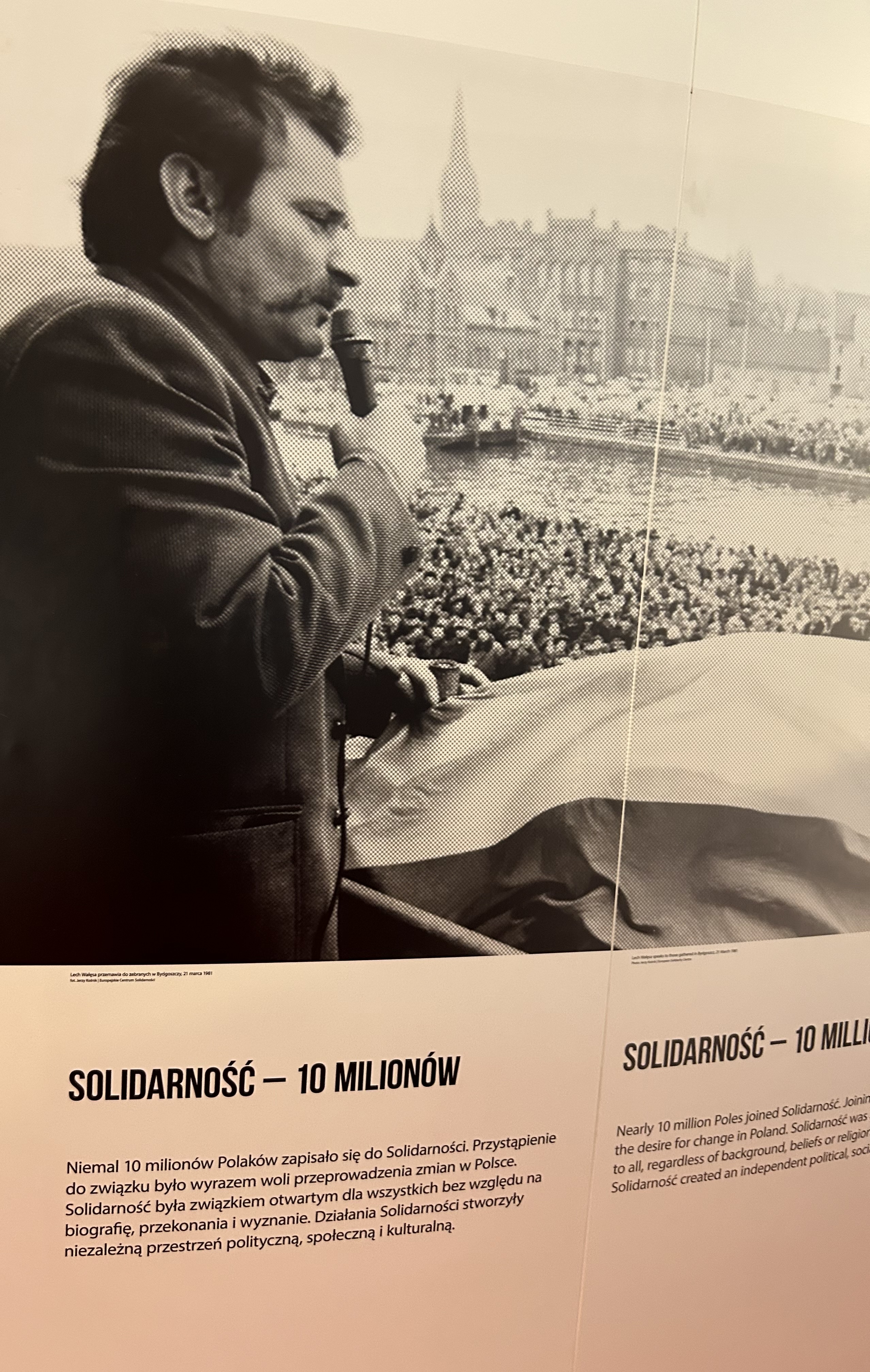
We loved Wroclaw, with its canals and universities; Warsaw, with its painstakingly reconstructed old town; and Gdansk, where a small tour in a flat-bottomed barge recounted the colourful history of this Baltic coastal city, where WW2 virtually started and where Lech Walesa’s Solidarity movement in the 1980s gained a staggering TEN MILLION members and spelled the death of Communism.
It was a thrill to visit the very shipyard where Walesa took his stand, now the Solidarity Museum. I remember him as an absolute hero, but to my surprise, his name does not mean much to thirty-somethings in Australia today.
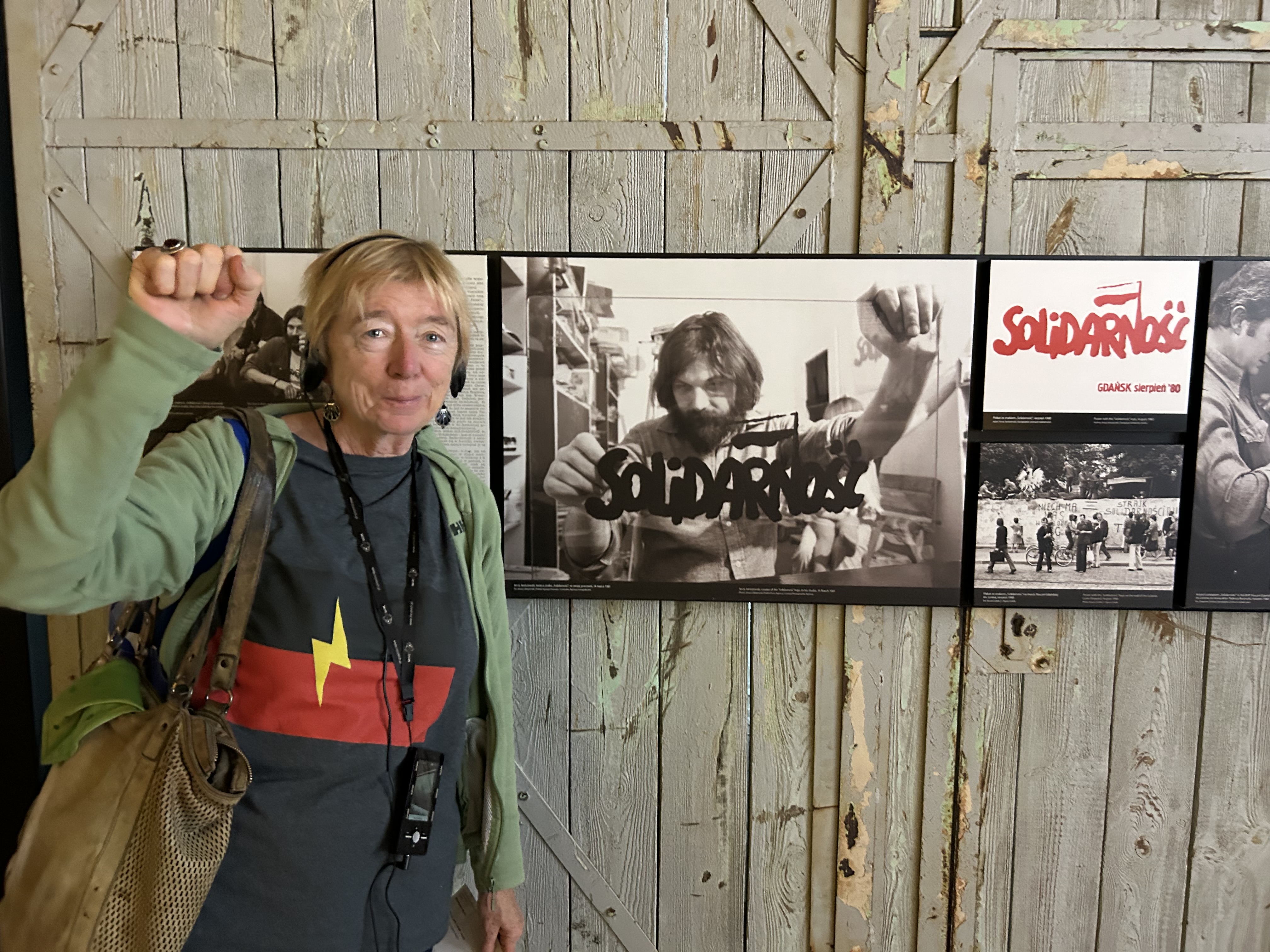
The museum showing the artist who devised the brilliantly conceived name, Solidarność/Solidarity, for the astonishingly audacious movement that would bring down Communism.
BEST PODCASTS of 2025
Back home, the year ended with my traditional Pick of Podcasts for 2025 for The Conversation. They ranged from audio biographies (Jad Abumrad’s soaring portrait of Nigerian Afrobeat artist and activist Fela Kuti, Guardian Australia‘s compelling account of Gina Rinehart, Australia’s richest woman, called simply Gina) to a deep dive into the French spies who shockingly blew up a Greenpeace boat in New Zealand in 1985 (Fall Out: Spies on Norfolk Island), a whimsical family story linked to unexpected repercussions of the Holocaust (Half Life – The History Podcast), a chilling account of coercive control by a man who admits burning the bodies of two campers in the Australian Snowy Mountains (Huntsman), the return of the sublime storytelling of Heavyweight and much more.
And so ends 2025. Over the break I’ll be prepping my keynote address to MECSSA, a UK media and communications research association, on World Radio Day (Feb 13th), on the topic “Viva The Narrative Podcast: The Case Against Video”. It will be online and in situ 9.30am in UK, so please join us! This article outlines aspects of the debate – including a perceptive observation by Eleanor McDowall, a UK audio creative whose work is always worth listening to and whose generous mentoring of emerging producers along with co-director Alan Hall at Falling Tree Productions is something audiophiles everywhere can give thanks for.
“The absence of images from radio and podcasting isn’t some failure of technology. These audio mediums have grown from a deep love of sound and its imaginative possibilities. When I hear people say the future of audio is essentially television, it makes me feel they never knew what was exciting about sound in the first place.”
– Eleanor McDowall
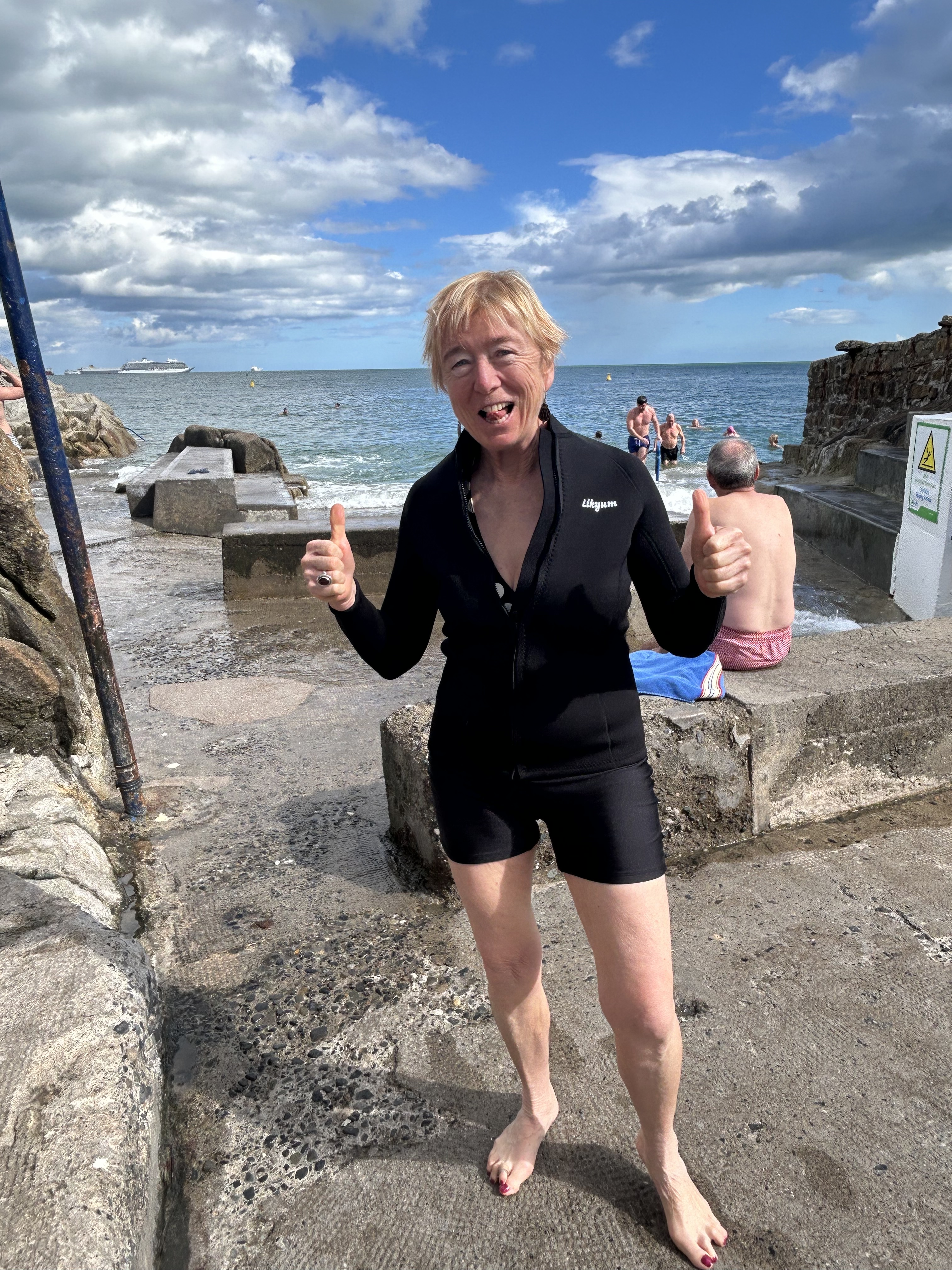
Time now for a swim – and no, I do not listen to podcasts underwater. Some things are sacred!


 Siobhan McHugh