
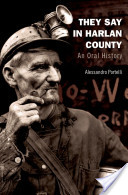
 Doing oral history well relies a lot on having genuine curiosity about other people’s lives – so as a natural stickybeak, it suits me! Of course you need a basic plan, and a prior understanding with your interviewee as to how the recording will be used, confirmed usually in a written Interview Release that allows the interviewee to set terms of access etc. But a sincere and open-minded interest in your subject’s life story is an essential starting point. As Sandro Portelli, one of my favourite oral historians, says of his four-decade project recording the oral histories of Kentucky miners, They Say in Harlan County: “… the most important things I had to offer were my ignorance and my desire to learn.” My other asset was an ability to use a recorder, gained from working in radio.
So what’s the difference between doing oral history and radio interviews? Length, for one thing. Oral history interviews typically go for about two hours at a sitting. The most I’ve done with one person was 11 interviews, over a few months, taking a total of 22 hours to capture the colourful life story of an Italian migrant-turned-furniture tycoon, Nick Scali.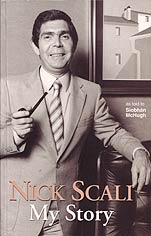
Archiving is another key aspect of oral history. I edit the interviews for diverse narratives such as a book or documentary, but I also preserve the unexpurgated interview, with a timed summary and/or printed transcript, usually in a public archive. This makes it a valuable resource for other researchers, now or in the future. In radio, what goes to air may be preserved in the broadcasting vaults, or increasingly, podcast, but the out-takes are usually lost. That means no-one but the producer can assess whether material was used in context.
Which brings me to another big difference between radio interviews and oral history: collaboration. Oral historians are not the control freaks that radio journalists have to be. An oral historian facilitates, conducts what some say is not an interview at all but an ‘intersubjective dialogue’, and then defers to the interviewee in terms of what may or may not be used. A journalist assumes editorial responsibility, and while that should mean making ethical choices and not misrepresenting an interviewee, the latter can only hope this is so, as he or she usually hears the edited interview for the first time as a broadcast.
Lastly, oral history is raw material. An interview often contains wonderful gems, but to me they shine brightest when distilled into story.
ACADEMIC ORAL HISTORY
Siobhan believes passionately in the affective power of voice. Her article, The Affective Power of Sound: Oral History on Radio, is among the most cited in the distinguished US journal Oral History Review, and was chosen to mark the fiftieth anniversary of the US Oral History Association in 2016. This online version includes illustrative audio clips – listening to them while reading the analysis is by far the best way to understand the concept. As well as being adapted for the stage, Siobhan’s oral histories have underpinned numerous public appearances: she has been an invited speaker at professional and academic gatherings from Harvard University to China, Iran and Ireland.
SOME OF SIOBHAN’S ORAL HISTORY PROJECTS:
AUSTRALIAN WOMEN AND THE VIETNAM WAR:
50 interviews, with nurses, entertainers, journalists, volunteers and others who served in Vietnam, wives and mothers of soldiers, and women in the anti-war movement at home. Archive held HERE in the National Library of Australia. Basis for book and radio documentary series, Minefields and Miniskirts (Doubleday 1993, Lothian 2005).
SNOWY MOUNTAINS SCHEME:
100-plus interviews of migrants of 25 nationalities and others who worked on this hydroelectric scheme (1949-’74), plus interviews with local residents, including those displaced by dams. Audio held HERE with manuscripts, photos and documents, at State Library of New South Wales. Basis for book, The Snowy: A History (UNSW Press 2019 edition), ABC radio series The Snowy- The People Behind the Power, Film Australia documentary, Snowy: A Dream of Growing Up. First edition, The Snowy: The People Behind the Power (Heinemann 1989) won the NSW Premier’s Literary Award for Nonfiction.
COTTON INDUSTRY, NSW:
Interviews with key figures, from industry, growers, environmental activism. Held at State Library NSW. Basis for my book, Cottoning On (Hale & Iremonger 1996, Finalist, NSW Premier’s History Prize). Contains unique information on distribution of irrigation water and flood management, still controversial issues in the Murray-Darling River Basin.
IRISH NATIONAL ASSOCIATION:
commissioned by the National Library of Australia to mark the centenary of this landmark association of the Irish in Australia in 2015. The collection can be found at the NLA and here. Contains five-hour interviews with key figures of the Irish-Australian community, including Tom Power, who spearheaded the Memorial to the Great Irish Famine at the Hyde Park Barracks, Sydney.

Memorial to the Great Irish Famine, Sydney
ST MARY’S CATHEDRAL CHOIR, SYDNEY:
Interviews with choirmasters David Russell, Fr Brian De Luca and Fr Ron Harden span 50 years of this significant choir. Commissioned by St Mary’s Cathedral.
MILLERS POINT ORAL HISTORY
 CLIP HERE from MILLERS POINT ORAL HISTORY, recorded 2005/6, preserved in State Library of New South Wales. This is the much-loved football broadcaster Frank Hyde, recalling how he unwittingly swam with a shark at the old Metal Wharf in this historic part of Sydney. Frank also sang me a lovely version of Danny Boy – at 90! (Thanks to Sarah Barns and Unguarded Moments for hosting clip.)
Full report on the Millers Point Project by my colleague Frank Heimans HERE.
Historic Houses Trust of NSW 2001-2004
Oral history audit across 13 historic properties, including Susannah Place in The Rocks.
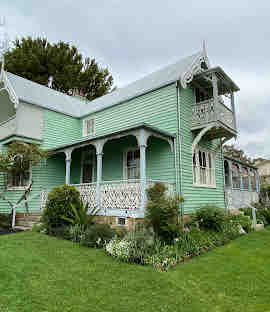
Meroogal, Nowra
Oral History of Sydney Olympics site HERE:
scroll down to ‘Five Oral Histories’
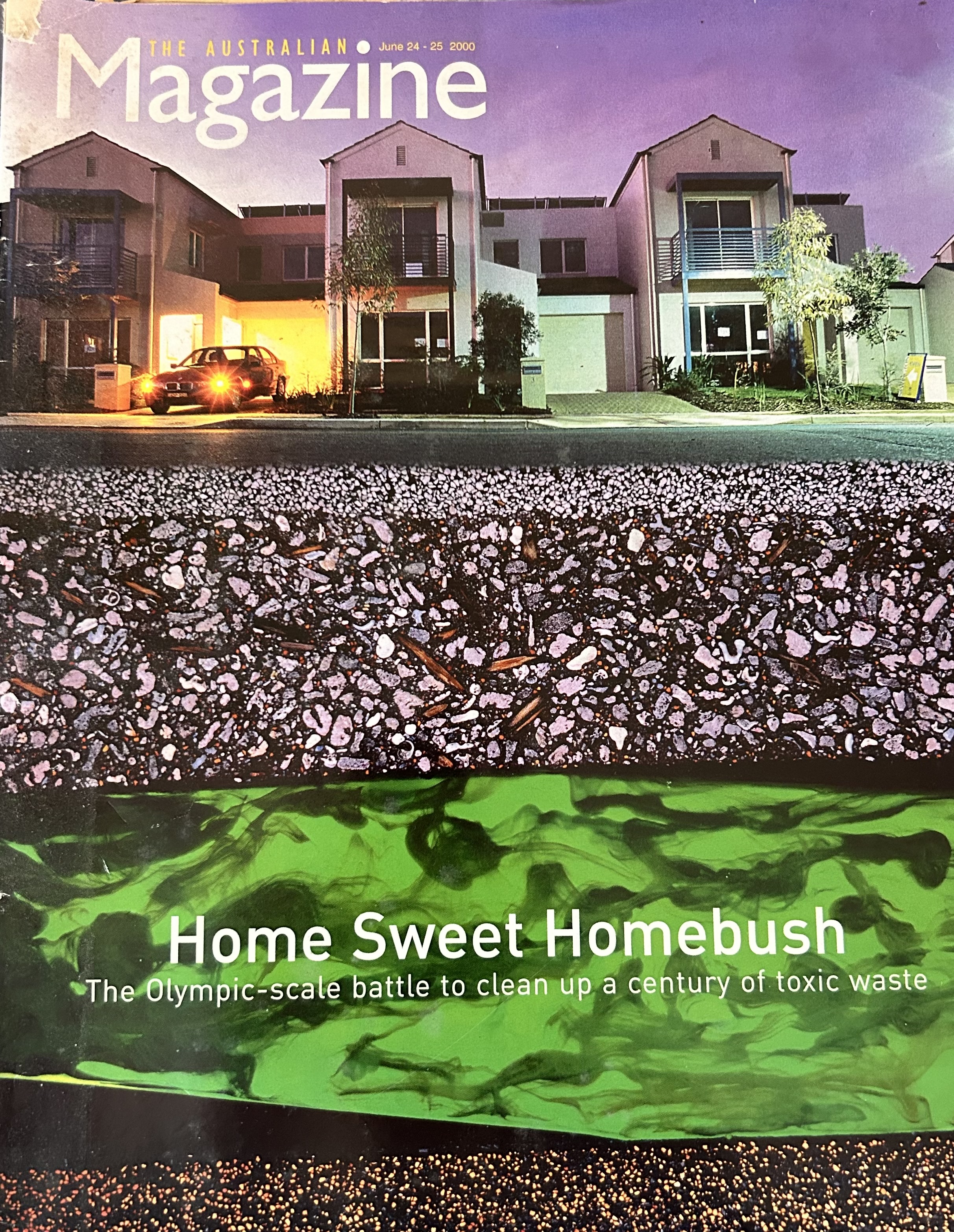
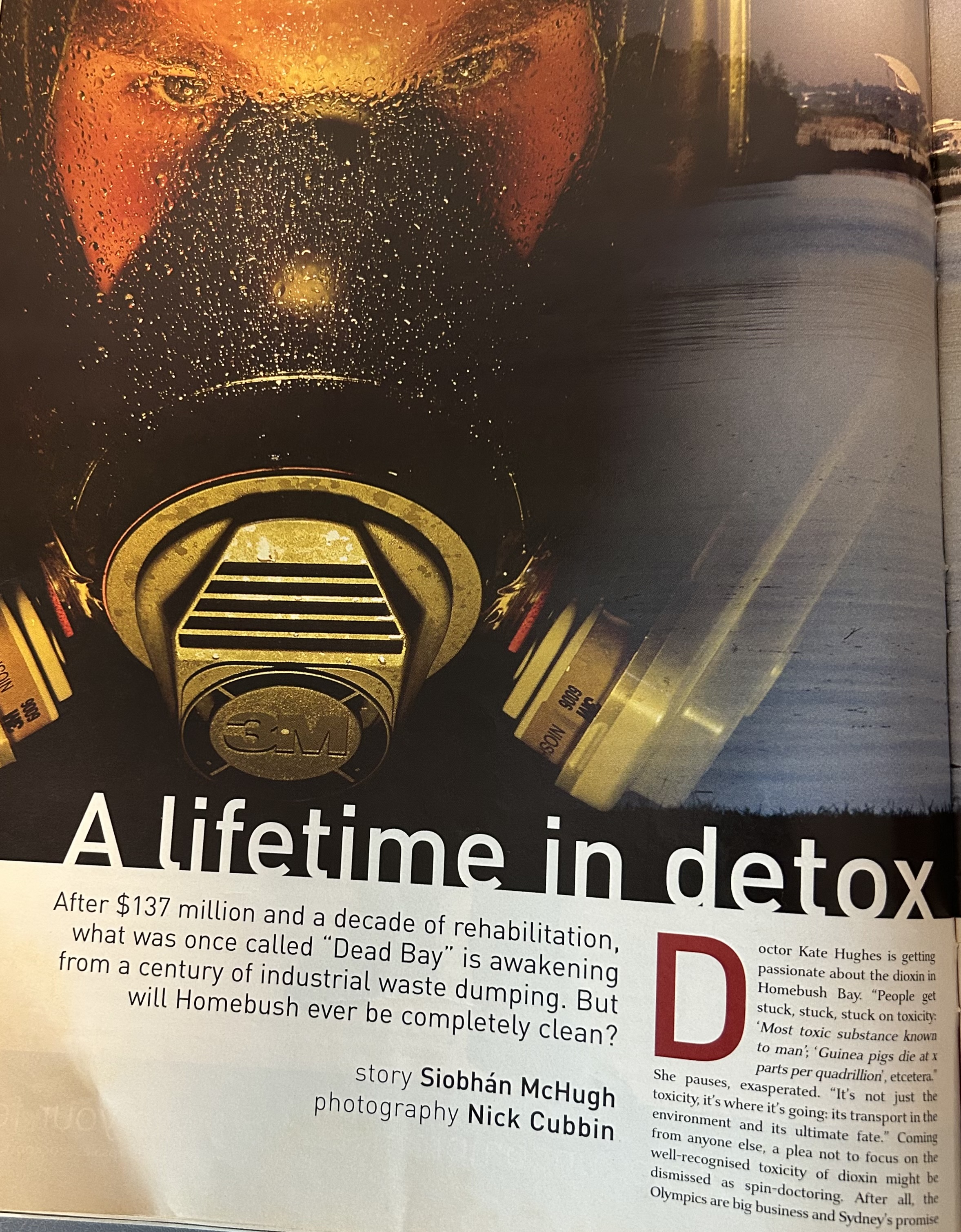
My article on the detoxification of the Sydney Olympics site
Sydney Olympic Park Authority 2000
NSW Federation of Community Housing Associations, 1997-99
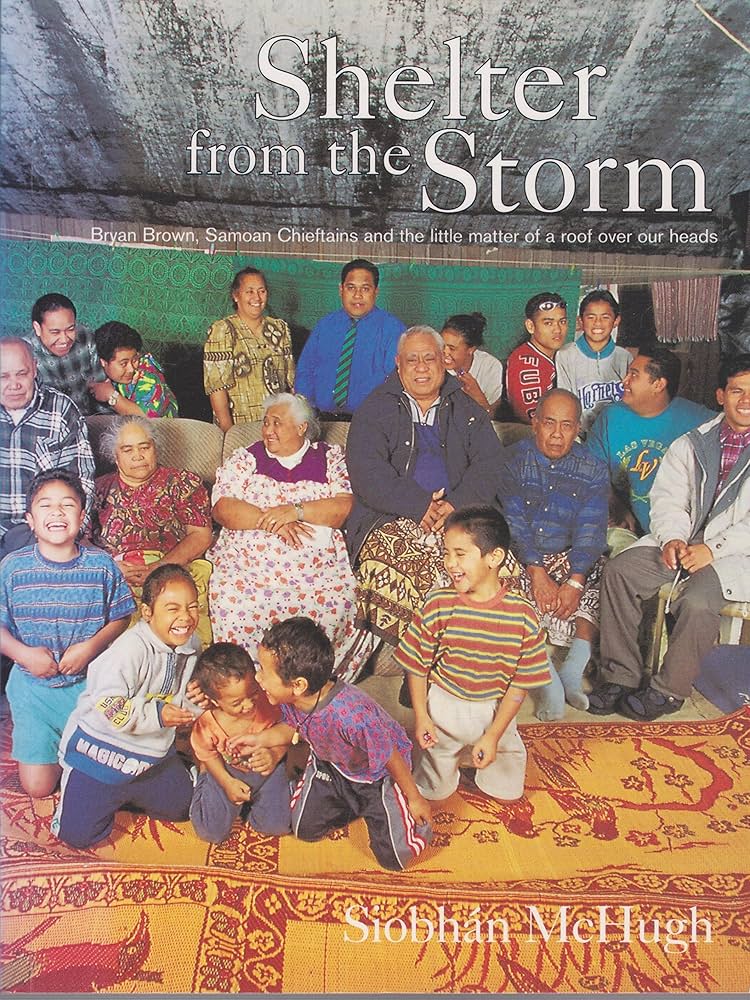
Oral histories of people in social housing across New South Wales – held at State Library NSW

|
||
 |
||
|
||
 Siobhan McHugh
Leave a comment
Comments feed for this article