

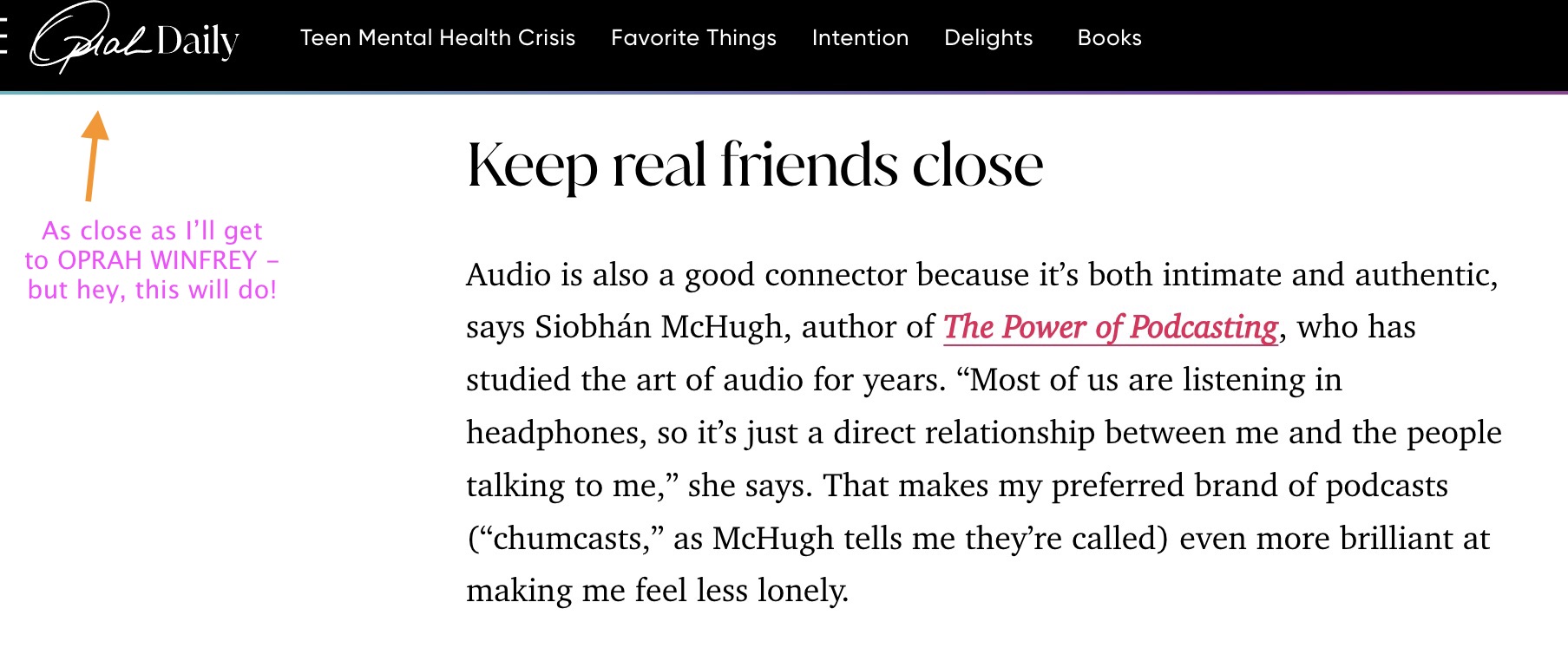
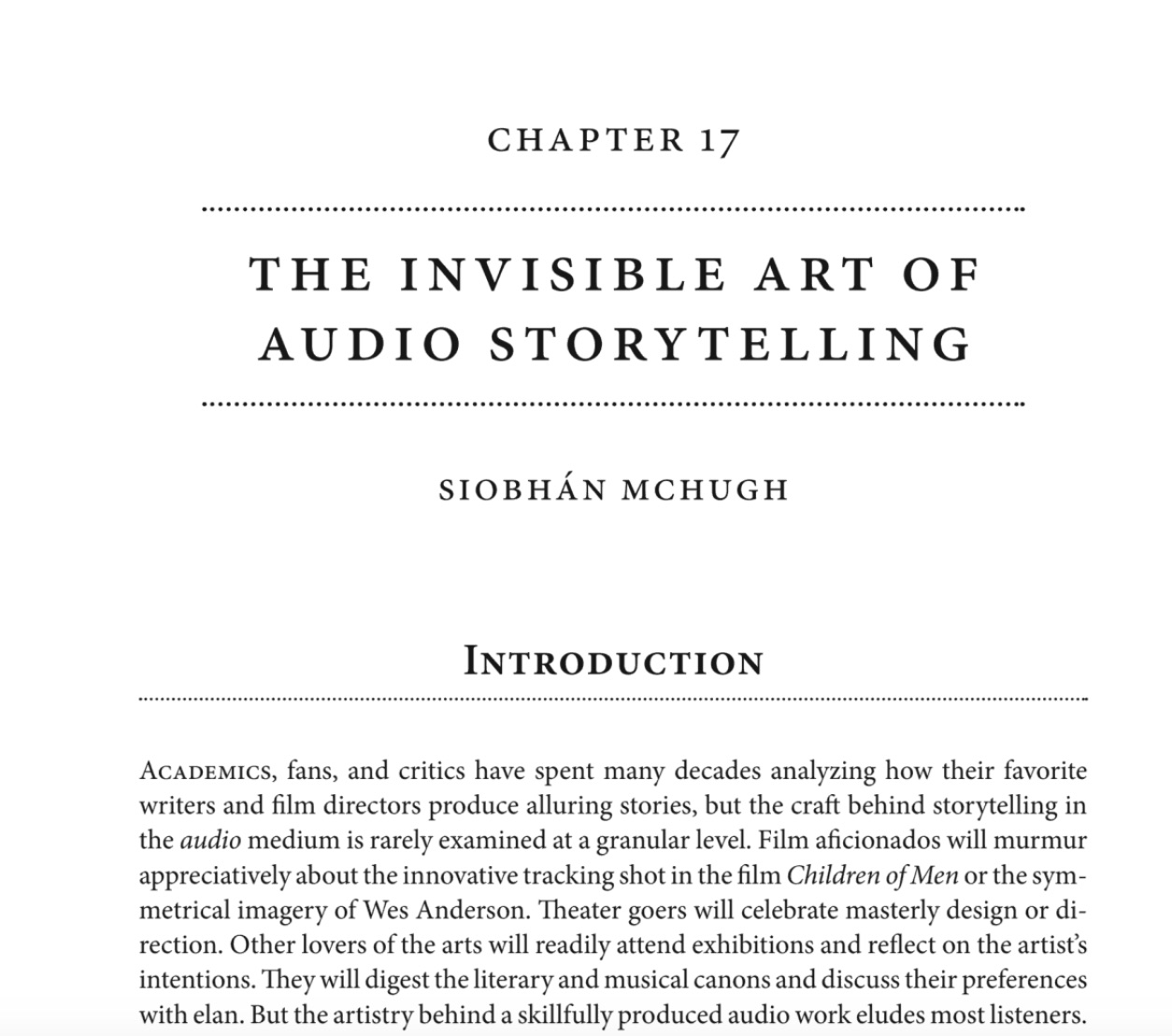
One minute I’m pinching myself, to see if that quote from me on Oprah Daily is real. The next, I’m getting a Google Scholar alert that my chapter, The Invisible Art of Audio Storytelling, has been published in the Oxford Handbook of Radio and Podcasting by Oxford University Press. If ever proof was needed of the power and scope of podcasting, this was it!
The message from Oprah came through as I was holidaying in Sri Lanka. We were staying at the charmingly run down Bandarawela Lodge, still recovering from the rare experience of seeing elephants mating in the wild, when I saw the email: “I’m an editor at Oprah Daily, and I’m working on a story all about the effect of constantly listening to podcasts… is it leading us to be less focused… be afraid of the voice in our own heads? Or is it something that actually curbs loneliness and generates knowledge?”
It was a great question, I told Cassie Hurwitz, one close to my heart. “I’m firmly in the camp that podcasts reduce loneliness and create/share knowledge. Often at the same time, as when you develop a close attachment to a podcast host, your new best friend – feelings of intimacy and trust that are hugely valuable in an age of misinformation. Social media suck you in to mindless scrolling, produce anxiety AND waste screeds of time – but podcasts let you multitask – your imagination takes flight when you’re not harnessed to a screen. And the things you learn!”
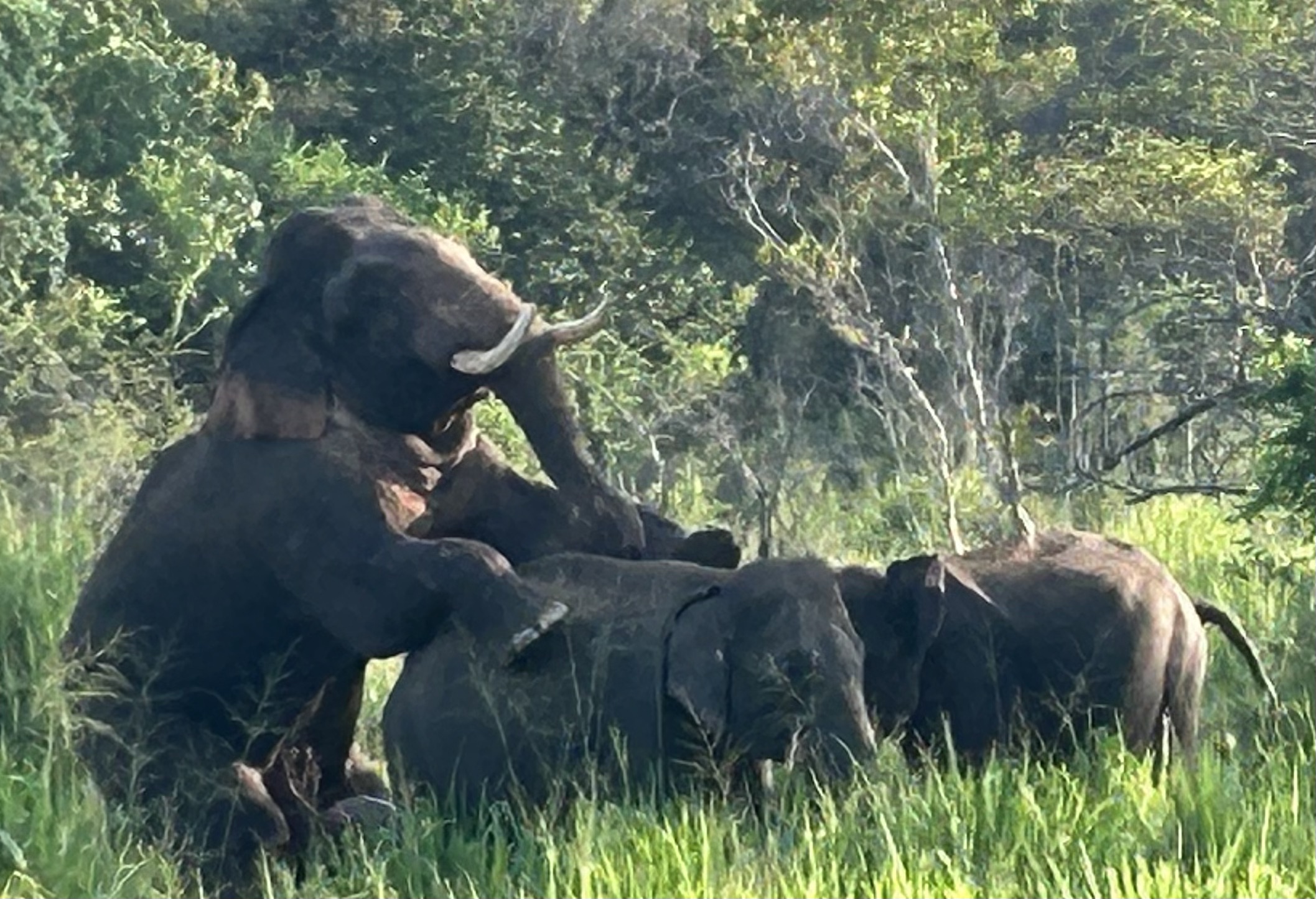
After a wonderful two weeks immersed in Sri Lankan history (humans have been there 125,000 years, go figure), its wilderness (I will never forget that elephant couple!) surf beaches, tea plantations and scrumptious spicy food, Cassie and I resumed the conversation in Australia.
PODCASTS are GOOD, I explained, because:
- They create a sense of companionship and empathy… you get to ‘eavesdrop’ on folk (who feel a bit like you) as they laugh and banter about their day, or sometimes deal with heavier stuff, but again in a ‘real’ way that makes you feel for them. It’s like having a new friend to hang out with, but without the hassles and responsibility. e.g Normal Gossip
- You LEARN things, effortlessly, as you drive/do chores/commute. So many fun chatcasts that make you expert in History, or Climate Change, or broader themes like Class in America (Classy) or the beginnings of Fake News (Things Fell Apart), or a Gay Prison in Australia (The Greatest Menace), or crazily niche stuff that only 200 others care about, like my co-hosted podcast about the largely undocumented ways white and black folk work together to produce stunning Aboriginal art in Australia (Heart of Artness).
- You get entertained. At best, by lean-in, addictive storytelling, podcasts that are about PEOPLE and what makes us all human, sometimes through a lens of crime, sometimes through a purely personal take, such as in Million Dollar Lover: is rich 80-something Carol being exploited just for money by her druggie boyfriend Dave, or is there a real spark?
Sure, podcasts too can be harnessed for bad intentions, to spread hate or bigotry. But audio doesn’t seem to suit those folk as well. I listened to Tate Talk to research this question. It’s hosted by Andrew Tate, the ‘celebrity’ former kickboxer charged with rape, sex trafficking women and other offences. He doesn’t ‘get’ audio. In his trailer Andrew Tate – My Principles, he’s shouting (at who we don’t know) and his loud alpha-male persona is sabotaged by schmaltzy orchestral music that undermines his Bro’ tone (bad choice!). There’s no light and shade via timing or phrasing, to let a point sink in. That punctuation stuff matters in audio – it’s what allows us to take in what we’re hearing. (Stand-ups know this – that’s why they’re so good at podcasting). The shoutiness in itself is offputting in audio. We respond MUCH more positively to a human voice that is warm and intimate, not one haranguing us.
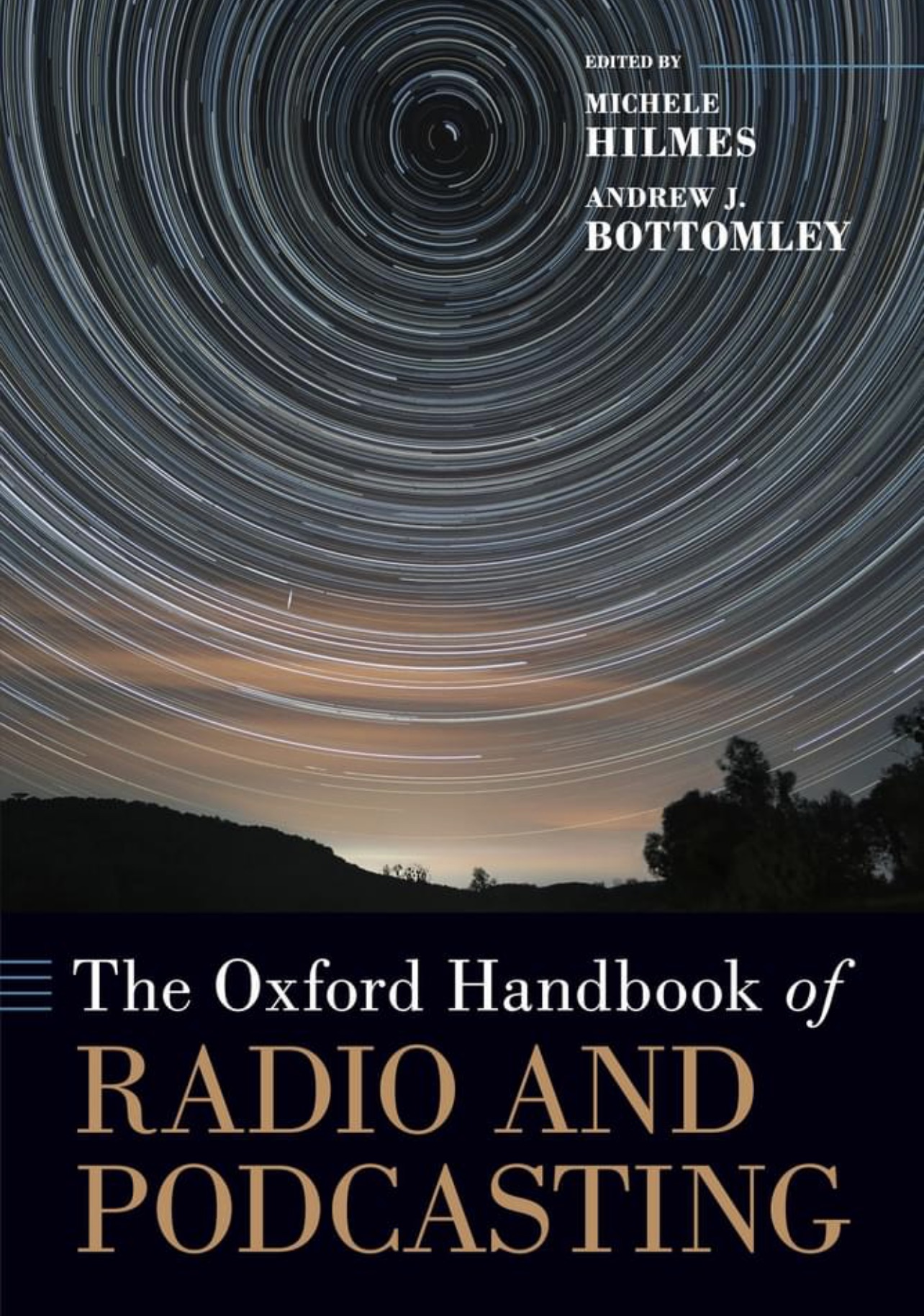
Check out Cassie’s story, This is Your Brain on Podcasts. I go into these same ideas in much greater depth in my Oxford chapter, here. In it, I deconstruct the invisible art of audio storytelling aided by illustrative clips from The Saigon Tapes, a non-narrated montage feature by UK producer Alan Hall, and Goodbye To All This, a moving podcast memoir by Australian Sophie Townsend on the death of her husband and its impact on her and their two young daughters. I’m in excellent company – the anthology is a treasure trove of essays and thoughtpieces about audio down the ages.
Serendipitously, I had the privilege of delving even further into this arcane art in a meticulously produced podcast, Stories of Sound, by Italian sound artist and academic Riccardo Giacconi, which launched the same month. It features nine sound creatives from across the generations and around the globe, reflecting on their practice.
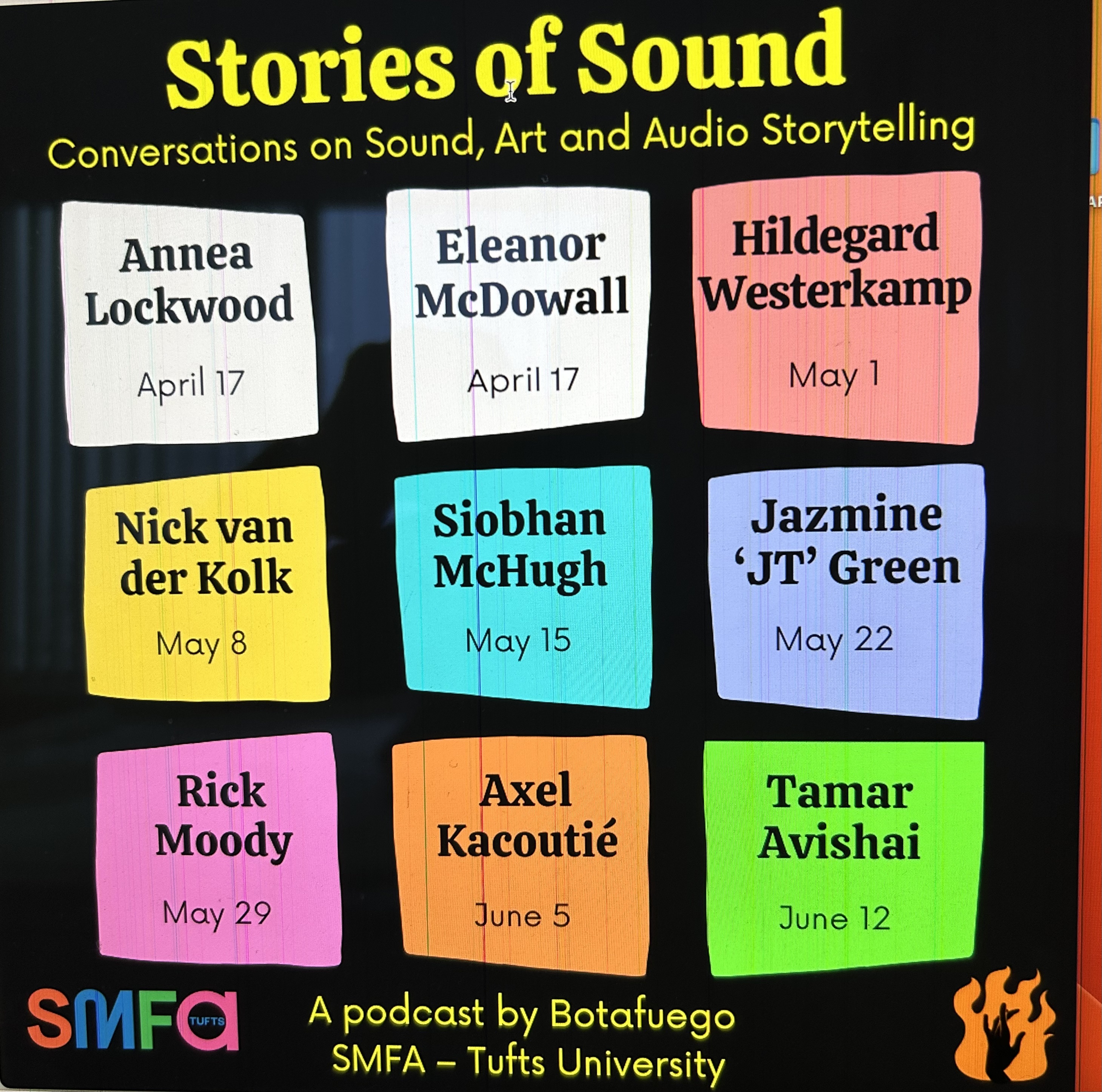
To be discussing the art of audio in the company of venerable sound artists such as Hildegard Westerkamp, the insightful documentary maker Eleanor McDowall and edgy podcast producers from Nick van der Kolk to Axel Kacoutié is an absolute honour.
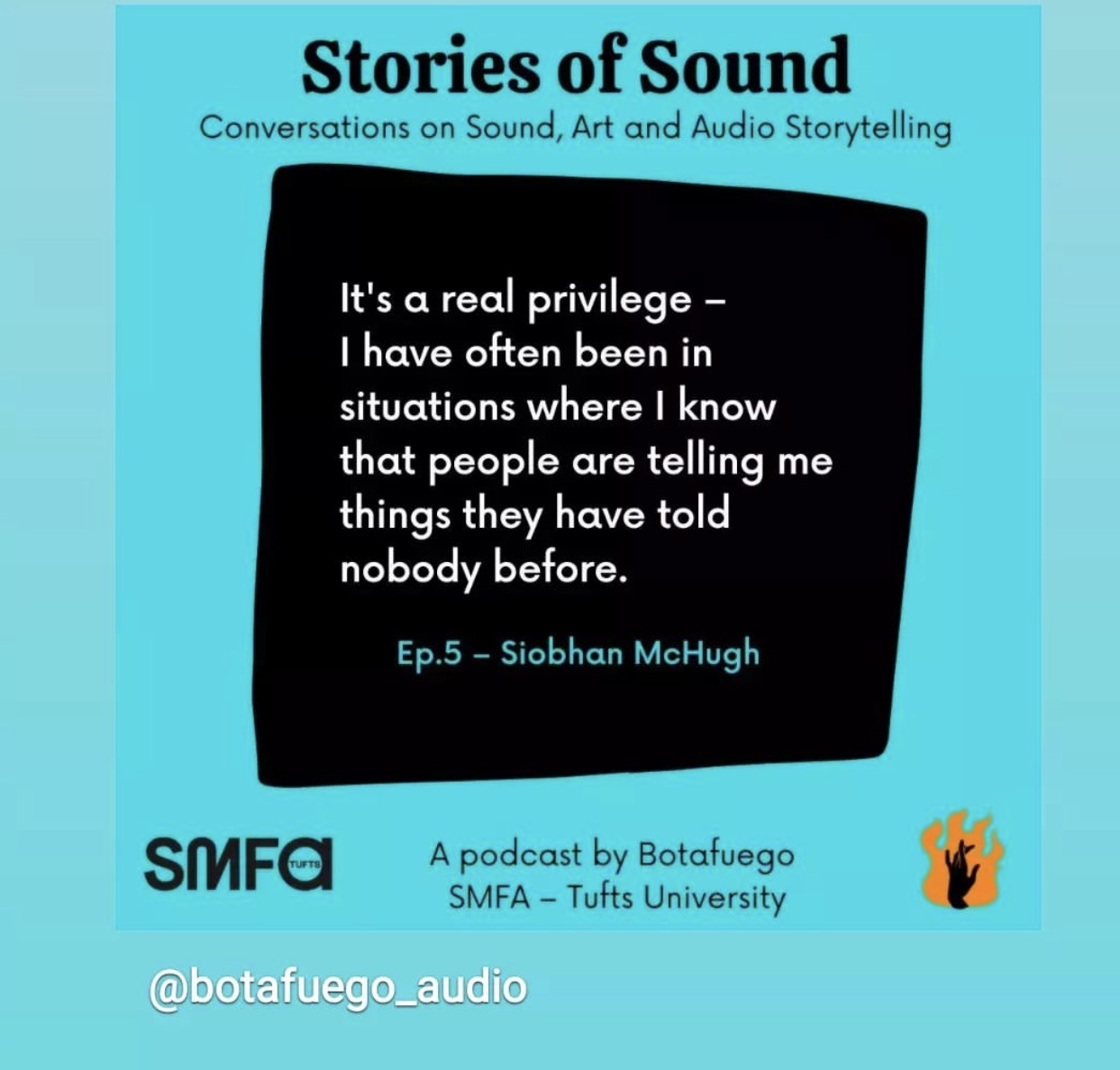
In my episode, I get to go from my origins as a fledgling radio producer in Ireland, through what I learned conducting hundreds of oral history interviews across a universe of human experience, then shaping revelatory interview with music, sound and script into coherent, hopefully compelling, narrative podcasts.
From Oprah Winfrey’s massive popular orbit to the intellectual heights of Oxford University to the passionate art of telling stories in sound, all in a month: this is why I believe podcasting can connect with pretty well anyone, anywhere. And we are all the richer for that.
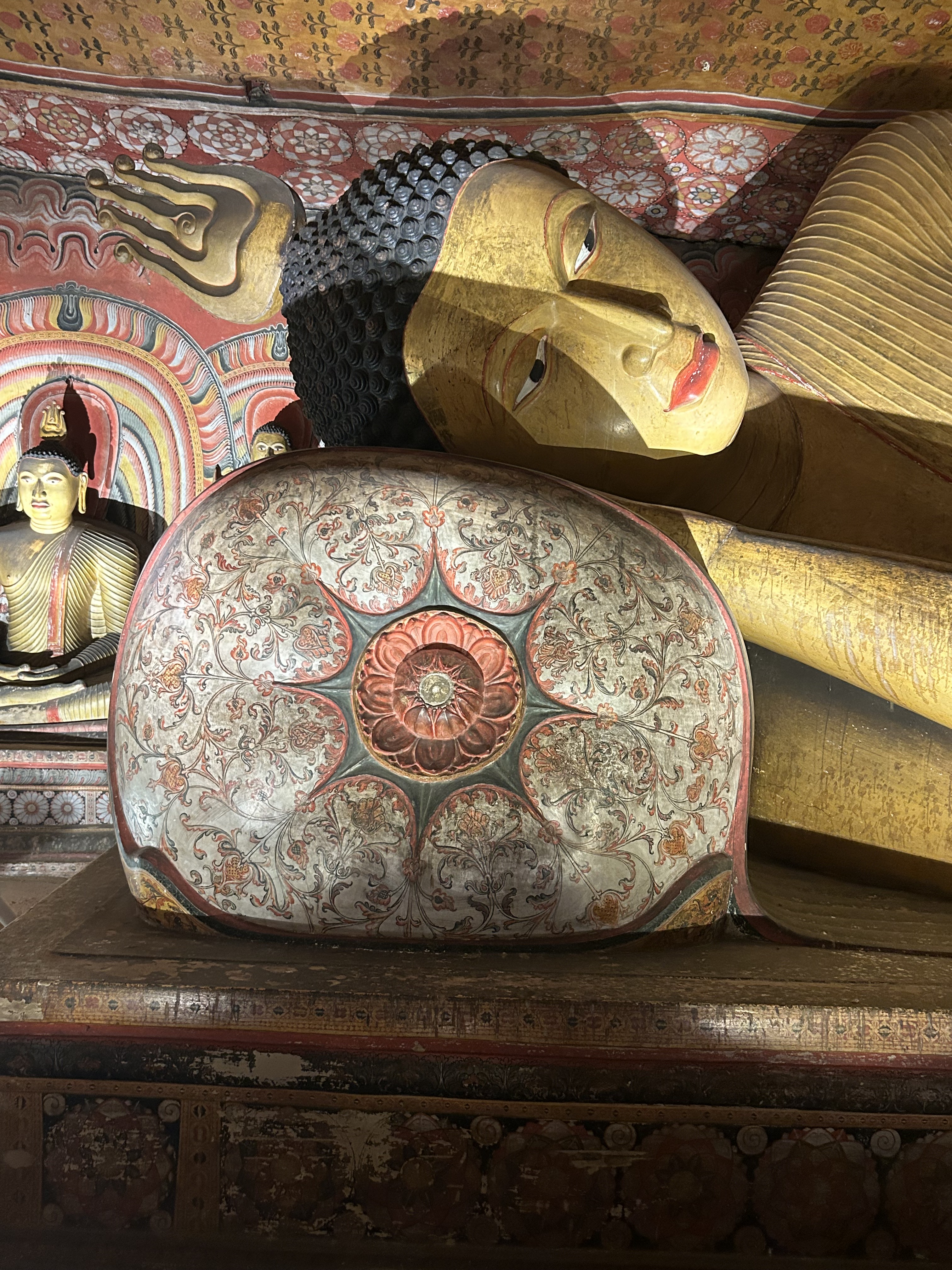
Reclining Buddha in Dambulla Cave, Sri Lanka, a temple that dates back to 1st century BC.
 Siobhan McHugh
Leave a comment
Comments feed for this article